Professional Window Replacement Services in Massachusetts
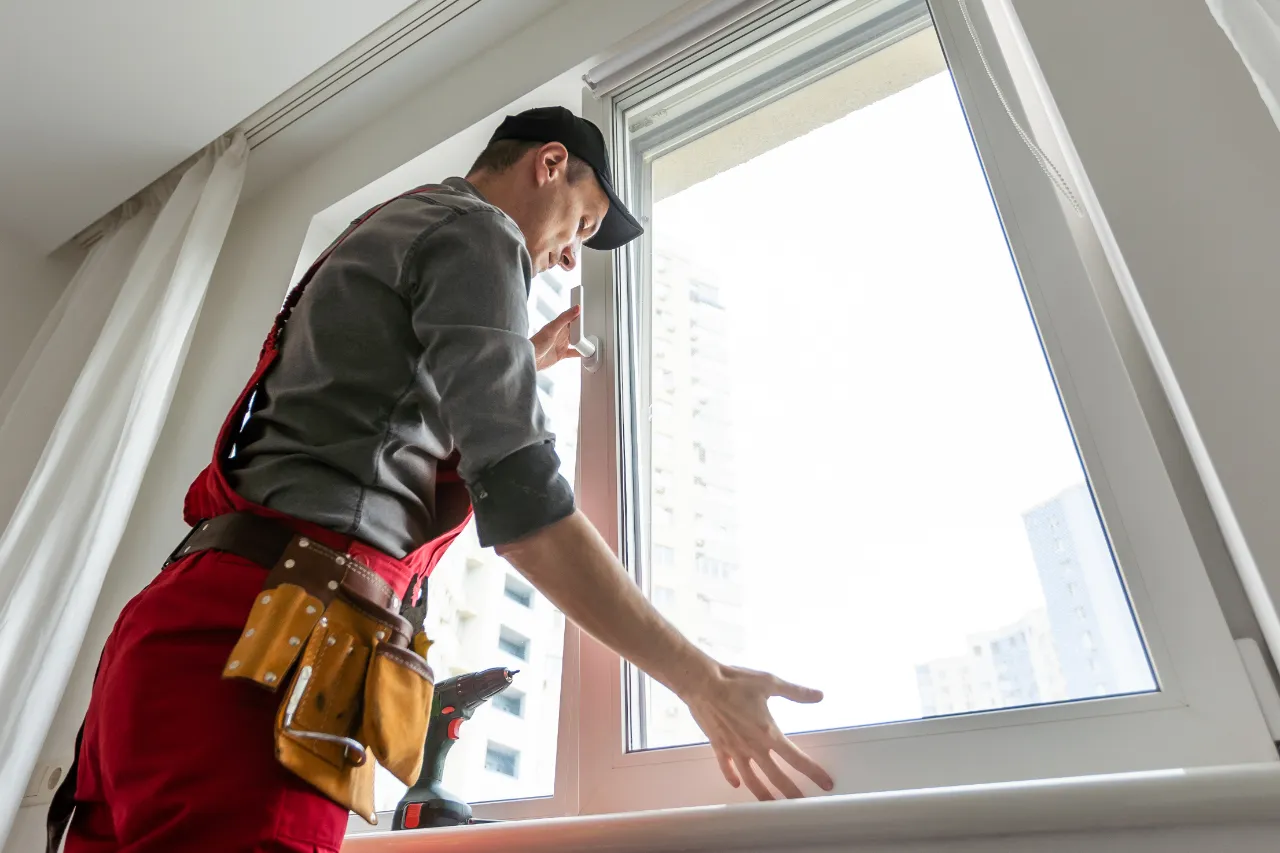
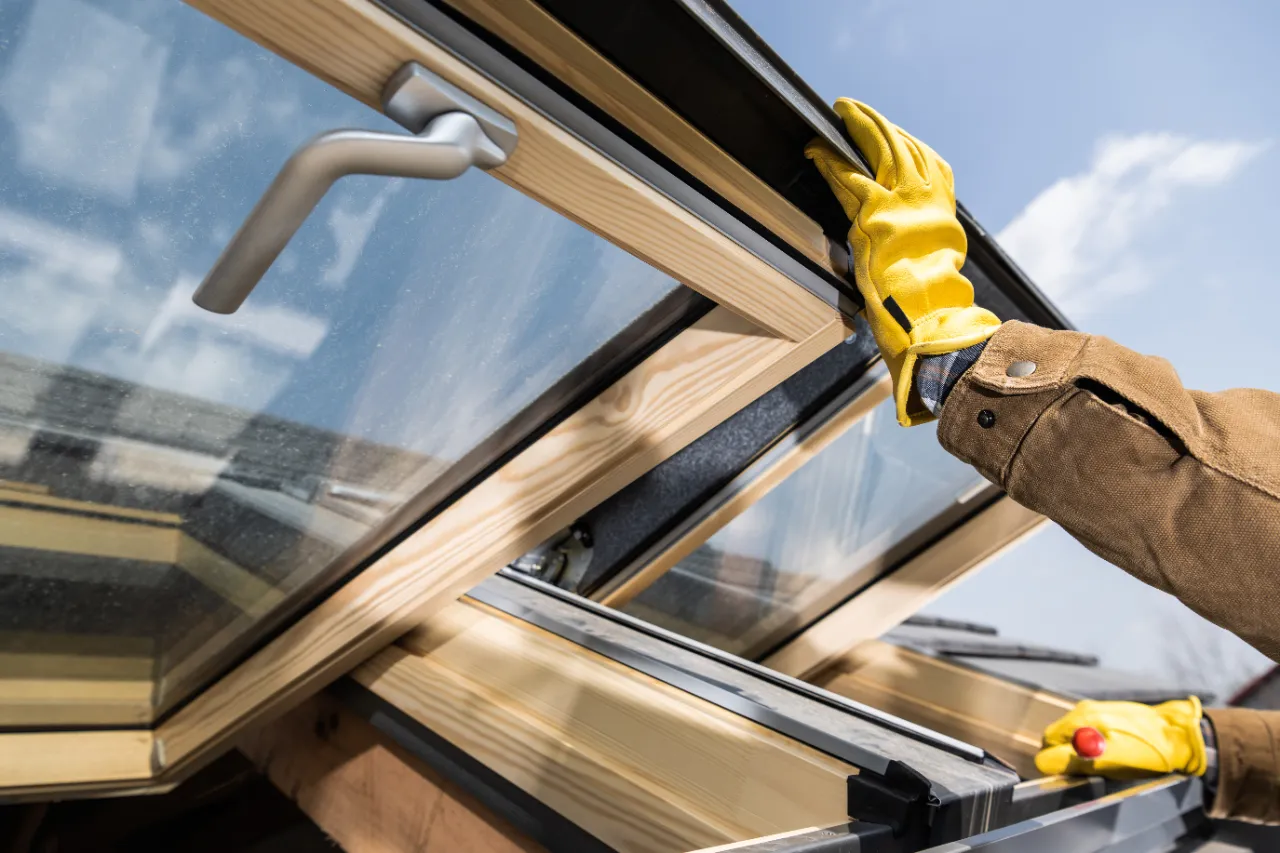
Old windows are the biggest hidden energy drain in most Massachusetts homes. Single-pane glass from the 1950s leaks heat in winter and lets summer humidity inside. Drafty sashes that no one ever caulked properly pull warm air right out of the house. New windows seal tight, cut heating bills, and update the look of the home from the curb. We replace double-hung, casement, picture, bay, and bow windows. One crew handles the full job from old window removal to interior trim finish.
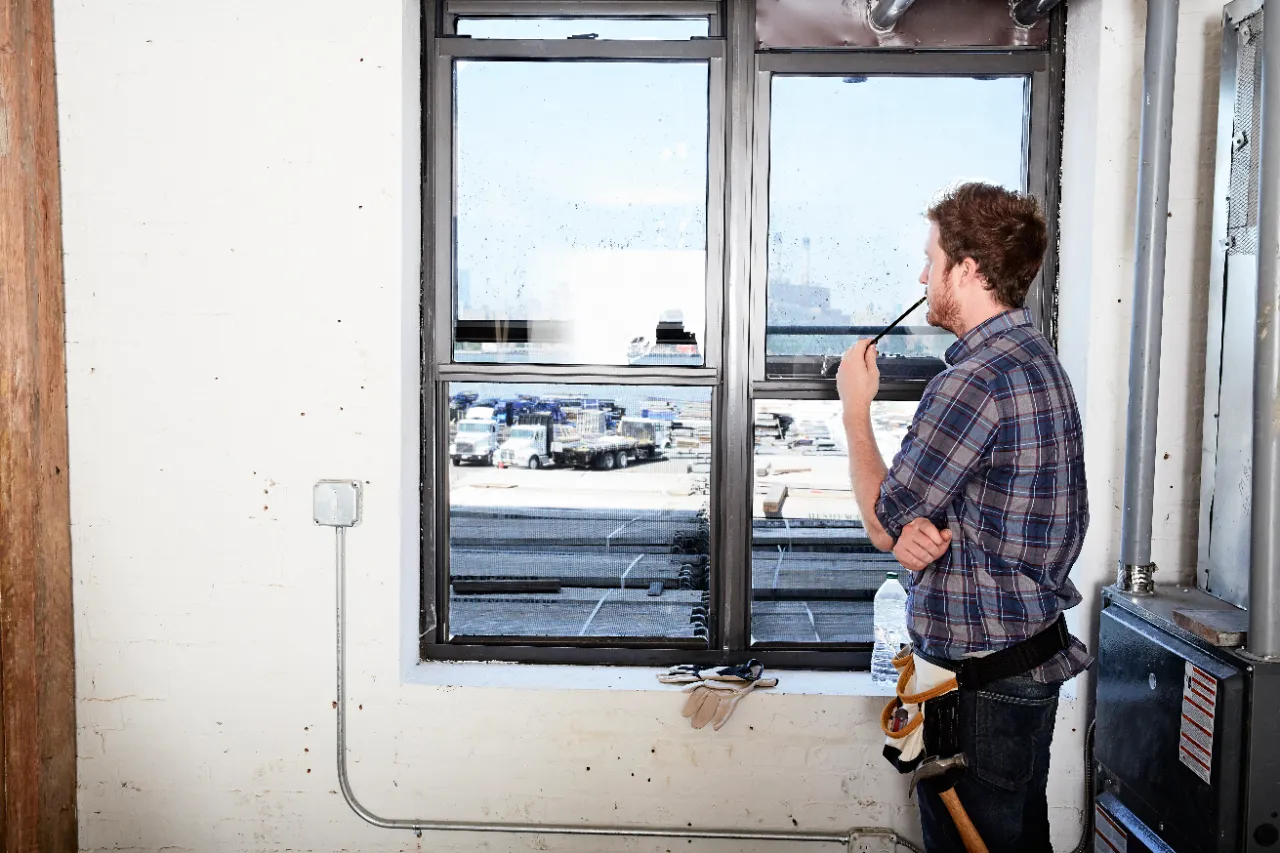
Carlos Maldonado walks the whole exterior and interior before the quote goes out. He measures each rough opening, checks the existing trim, and looks at the sill and jamb condition. The written quote lists each window, the unit type, the glass package, the interior trim handling, and the timeline. Windows come from Home Depot stock or special order depending on size and style. You pick the brand and grade based on budget and how long you plan to stay in the home.
Massachusetts homes built before 1980 usually have window openings that have shifted over the decades. Sills slope from settling. Jambs go out of plumb. Old siding rots at the bottom corners where water dripped off the sash for 50 years. We inspect the rough opening, check for hidden rot, and tell you the cost of any repair before the new window goes in. Skipping this step is how cheap window jobs fail in three years. We do the prep work right.
New Window Installation Methods
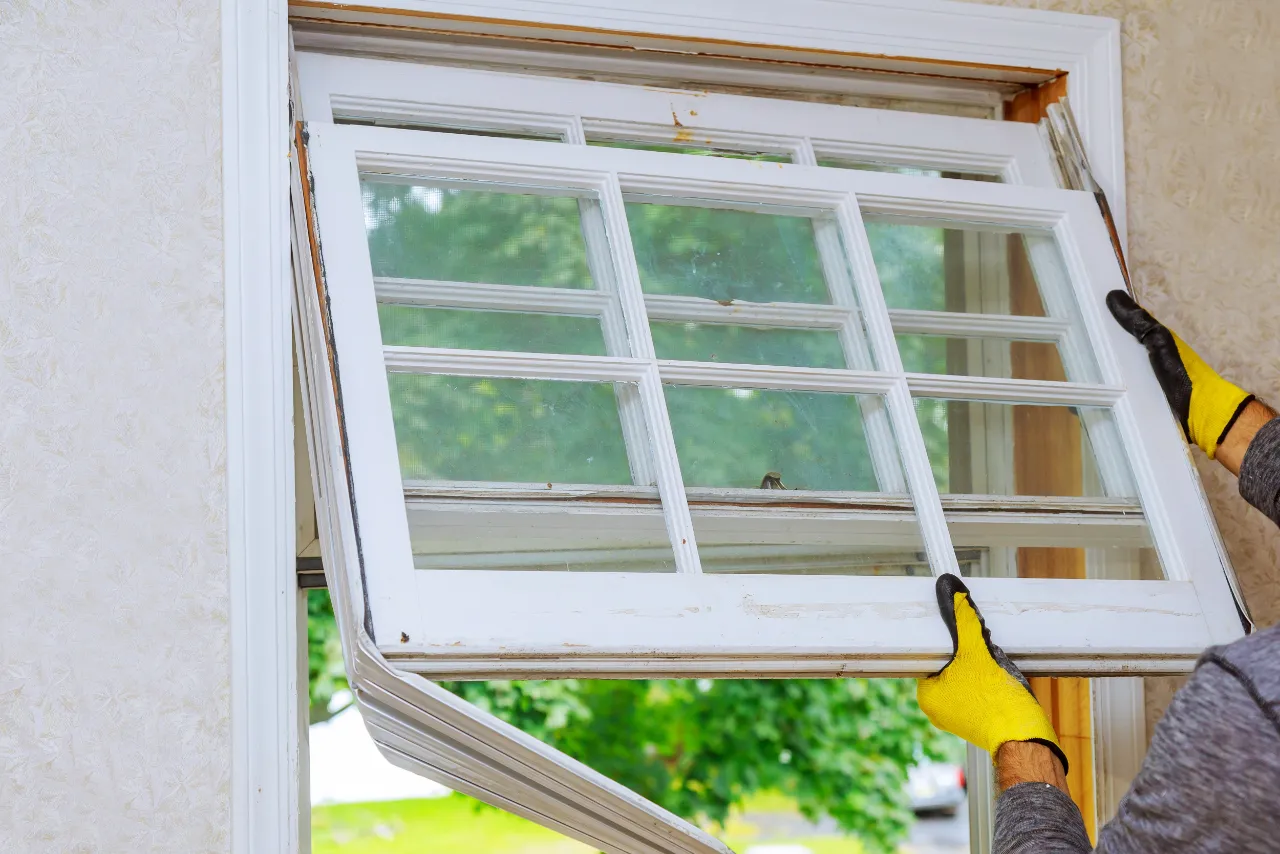
Two main installation methods cover most Massachusetts window jobs. Insert replacement and fullframe replacement. Insert replacement leaves the existing exterior trim and jamb in place. The old sash and frame come out, and a new window unit slides into the existing rough opening. This method runs faster, costs less, and works well when the original frame is solid. Most home repaint projects pair well with insert window replacement because the exterior trim stays put for the painter to work on.
Full-frame replacement strips the window opening back to the framing. Old jamb, sill, exterior trim, and sometimes the rough opening framing all come out. A new window with a nailing flange installs on the bare studs, gets flashed properly with peel-and-stick membrane, and gets new exterior trim and interior casing. This method costs more and takes longer but solves rotted framing, out-of-square openings, and water damage that insert replacement cannot reach. We recommend full-frame when the existing opening has real problems.
Window Replacement Process and Sill Repair
Window replacement projects start with measuring. Each rough opening gets measured at three points on the width and three points on the height. Old window openings rarely measure square in older Massachusetts homes. We take the smallest measurement in each direction and order the window to fit that, allowing a 1/4 inch gap for shimming on each side. Custom-sized orders take longer than stock sizes but fit better. Stock sizes work in newer homes where rough openings match standard window dimensions.
Sill repair is the most common hidden issue we find during replacement work. The sill is the bottom of the window opening, where rain water collects from a slow drip off the sash above. Pine and fir sills rot from the inside out and look fine from the surface for years before they give way. We probe the sill with a screwdriver during the walkthrough to test for soft wood. Rotted sills get cut out and replaced with new pressure-treated lumber before the new window goes in.
Project timeline depends on window count, install method, and weather. A single window insert replacement runs 2 to 3 hours including interior trim. A whole house of 10 to 15 insert windows runs 2 to 3 days. Full-frame replacements take longer because of the trim and flashing work. We schedule window jobs to minimize exposure time, doing one window at a time so the house stays sealed during the day. Most projects finish in days, not weeks.
Why Window Quality Matters in Massachusetts
Massachusetts winters drive air leakage straight through any gap in a window install. A small gap behind the jamb or under the sill becomes a freezing draft on a 10 degree night. The whole point of replacing a window is to stop that air leak, which means the install matters more than the brand of window. Cheap windows installed right perform better than premium windows installed wrong. We focus on the install sequence because that is what determines whether you actually feel the difference.
Flashing and sealing are the make-or-break steps. The window has to keep water out of the wall cavity behind it. Peel-and-stick flashing tape wraps the sill first, then the sides, then the head, in that specific