Professional Carpentry Services in Quincy, MA
Quincy carpentry projects span 1700s colonial original trim, Victorian cape trim, post-war ranch simple trim, and harbor-area condo modern trim. Each era has different profile requirements, joinery considerations, and material needs. We assess existing trim conditions and architectural style during walkthrough so the quote matches actual project requirements in each Quincy home we visit.
Federal Renovation Repair and Painting rule applies to carpentry on pre-1978 Quincy homes when work disturbs painted surfaces. Our crew is EPA Lead-Safe Certified. Some Quincy homes date to the 1700s with multiple lead paint layers accumulated over centuries. Trim removal involves lead-safe procedures with plastic containment during all applicable Quincy carpentry projects.
Quincy coastal climate affects solid wood carpentry significantly. Year-round elevated coastal humidity swells wood components. Winter dry indoor air shrinks the same wood. Trim joints flex with the seasonal swings. We use kiln-dried lumber with extended acclimation time in coastal Quincy homes before installation to minimize seasonal movement and joint stress.
Profile Matching and Material Selection in Quincy
Profile matching in Quincy starts with measuring existing trim with profile gauges and calipers. Colonial-era profiles from the 1700s, Victorian cape profiles, and modern condo profiles each need accurate capture. We photograph existing pieces, take dimensional measurements, and source matching stock from Next Day Moulding or specialty suppliers for historic profiles requiring custom knife work.
Material sourcing for Quincy carpentry depends on the project. Painted trim uses poplar because it takes paint well and resists coastal humidity reasonably. Stained work uses oak or maple for hardwood durability in coastal conditions. Pine for budget projects only where appropriate. We avoid softer woods in coastal-exposed areas where humidity stress causes more movement than inland Quincy locations.
Lead-safe prep on pre-1978 Quincy homes covers trim removal and stripping. Plastic containment isolates work areas. HEPA vacuums collect dust during sanding. Paint chips disposed in sealed bags. Colonial-era and Victorian homes with multiple paint layer generations spanning centuries require strict adherence to procedures because of accumulated lead paint under newer coats.
Joinery and Installation in Quincy
Quincy carpentry installation follows specific sequences with attention to coastal humidity. Built-ins built off-site for accuracy then installed on-site after lumber acclimates in the home. Crown molding cut accurately at miters. Baseboards installed after flooring. Each element gets glued and nailed for stability against humidity-driven movement during seasonal changes year-round.
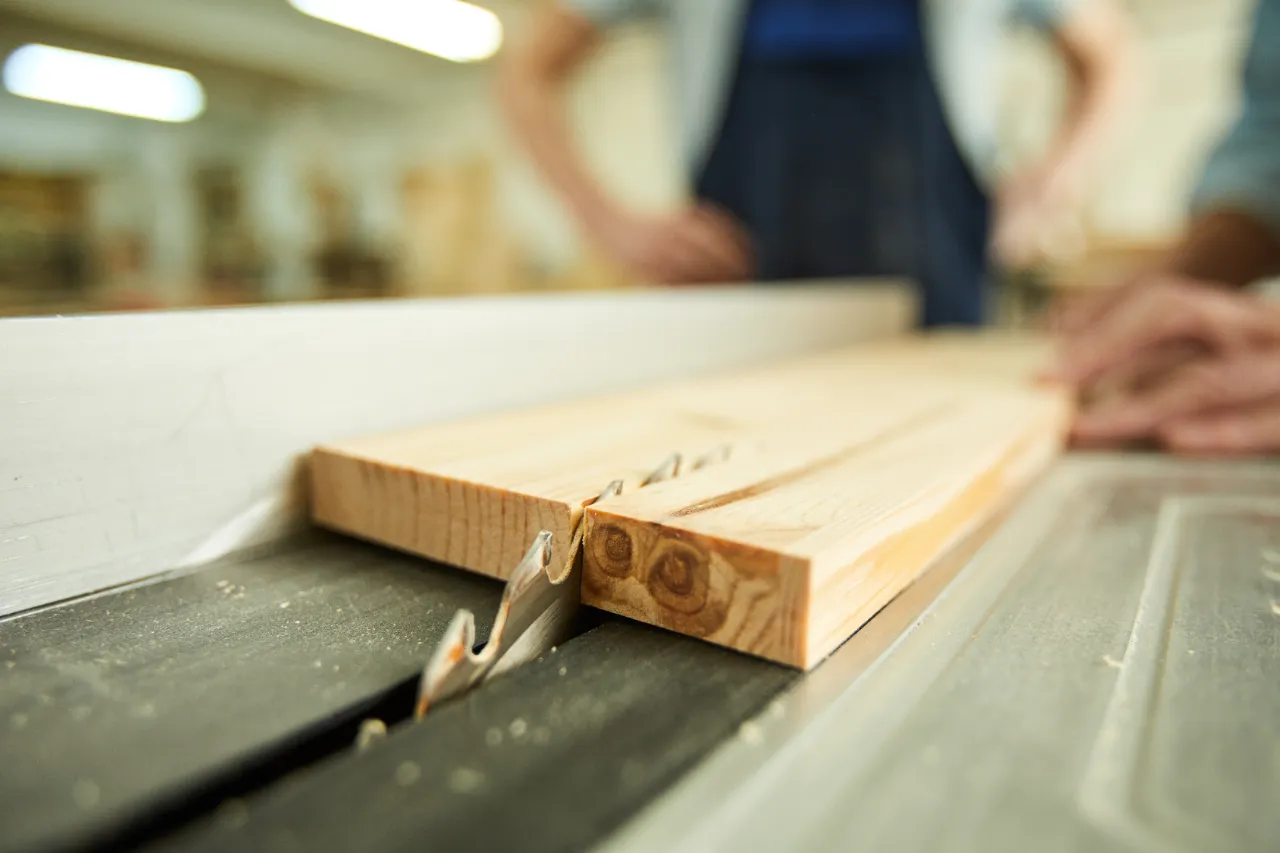
Joinery techniques on Quincy carpentry depend on the piece. Pocket-hole joinery for built-ins. Biscuit joinery for panel-to-panel connections. Dado and rabbet joints for shelf supports. Coped joints on crown molding inside corners. Miters on outside corners. Mortise and tenon for premium pieces. Stable joinery is critical in coastal Quincy because humidity-driven wood movement stresses joints over time.
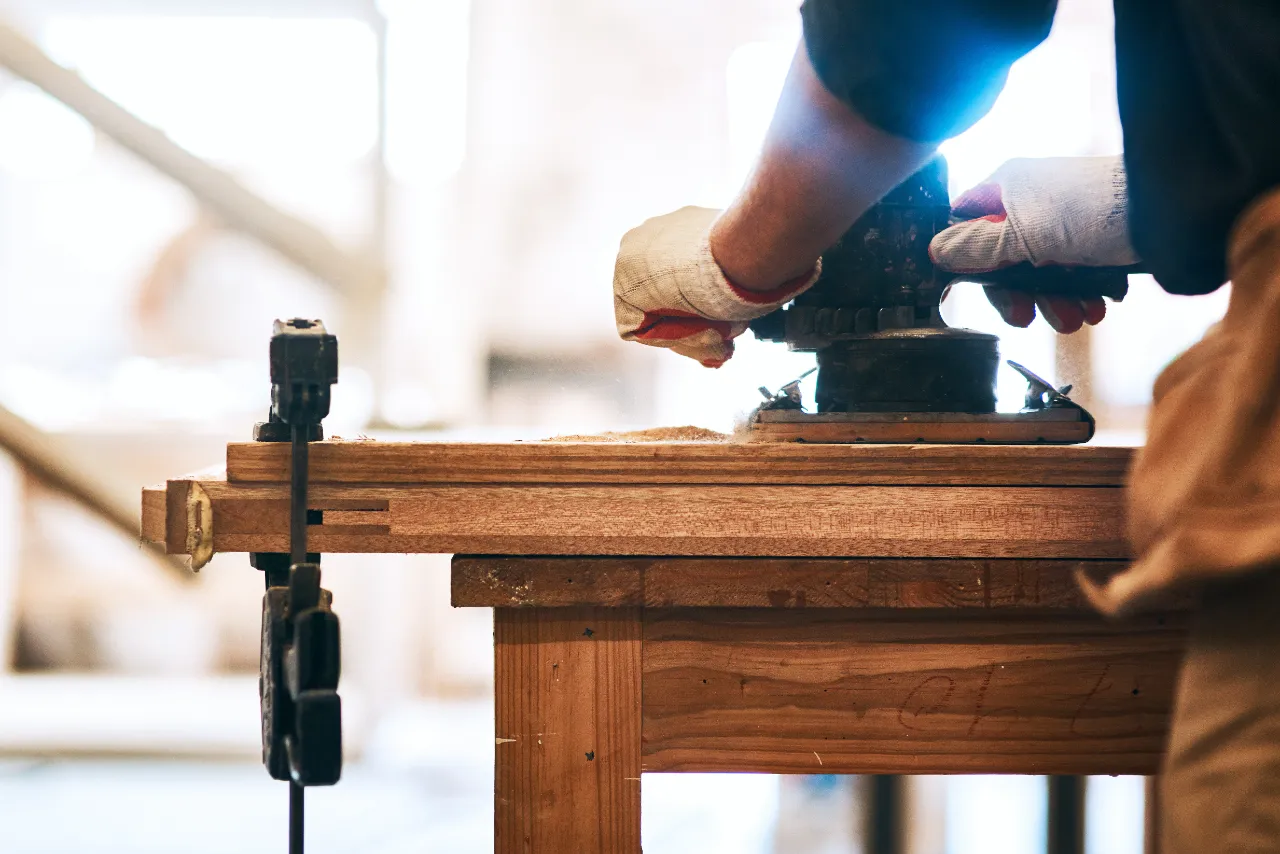
Finishing on Quincy carpentry happens after install. Filler in nail holes and joint gaps. Sand smooth. Prime painted pieces. Topcoat with two coats. Coastal-rated finishes resist moisture better than standard interior finishes. Stained pieces get stain, sealer, and clear coat. Coastal homes benefit from mildew-resistant clear coats on natural wood pieces to prevent mold growth in humidity.
Why Carpentry Quality Matters in Quincy
Quincy carpentry quality depends on managing coastal humidity correctly. Kiln-dried lumber. Extended acclimation time. Stable joinery techniques. Moisture-resistant finishes. We do all four properly because coastal Quincy carpentry fails predictably when one is skipped. Trim joints open. Built-ins warp. Finishes mildew. The combination of proper material and technique determines longevity in coastal conditions.
Material selection in Quincy favors species that handle coastal humidity. Poplar painted trim resists humidity well. Oak stained work provides hardwood stability. Cherry premium pieces work in higher-end Quincy homes. Pine and softer woods we avoid in coastal-exposed locations because humidity stress causes more movement than the harder species over time in coastal conditions.
Bad Quincy carpentry fails in predictable coastal ways. Trim joints open because lumber was not properly kiln-dried or acclimated. Built-ins warp from coastal humidity because wrong species was used. Finishes mildew because moisture-resistant clear coats were skipped. We avoid these failures by matching material and technique to coastal Quincy conditions on every project.