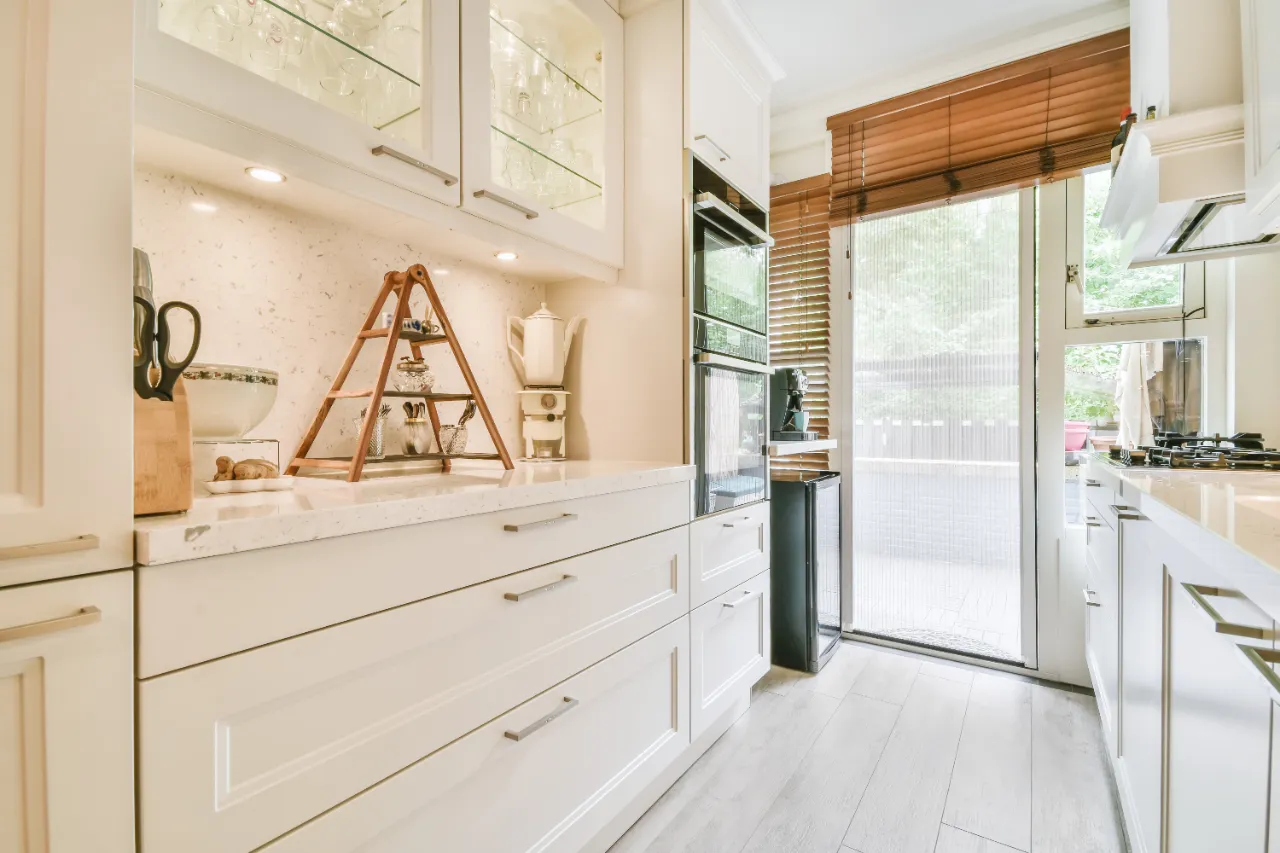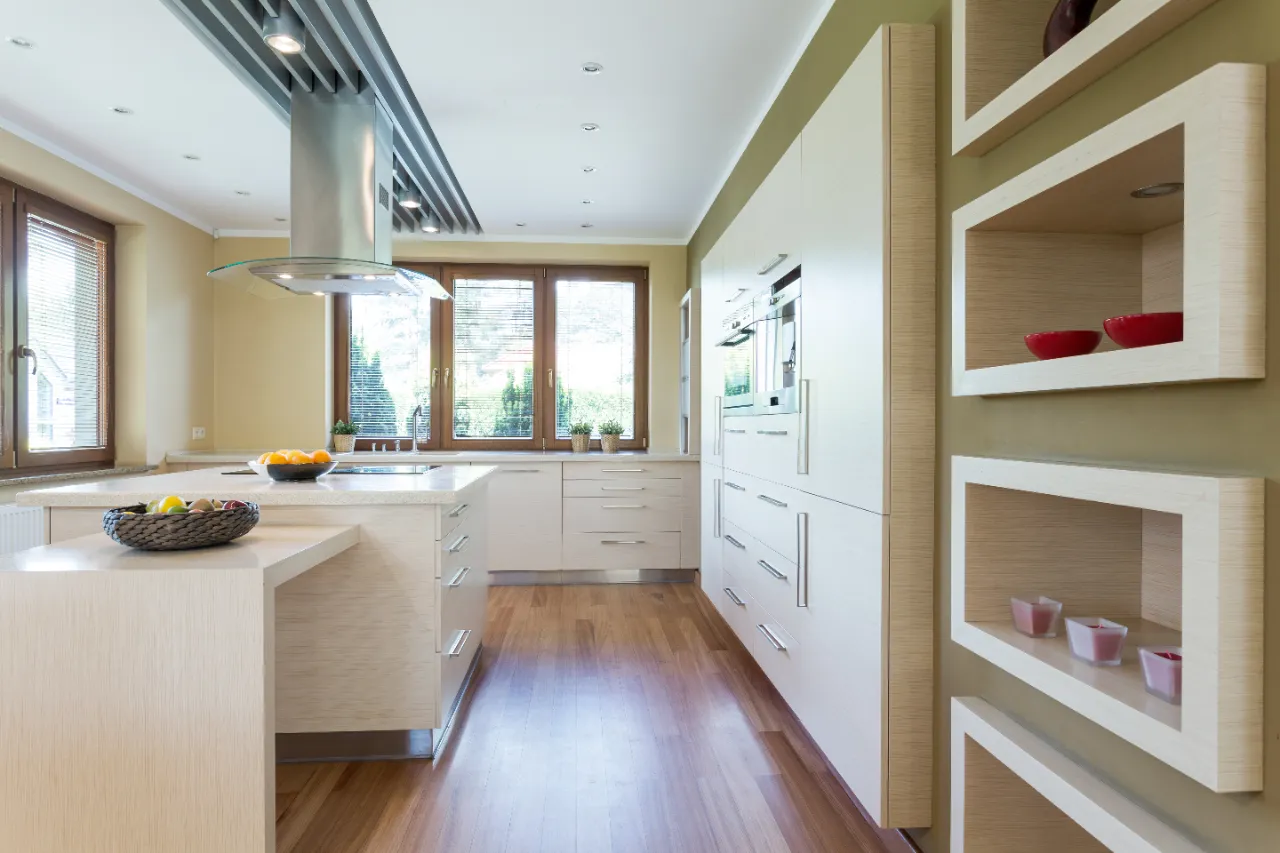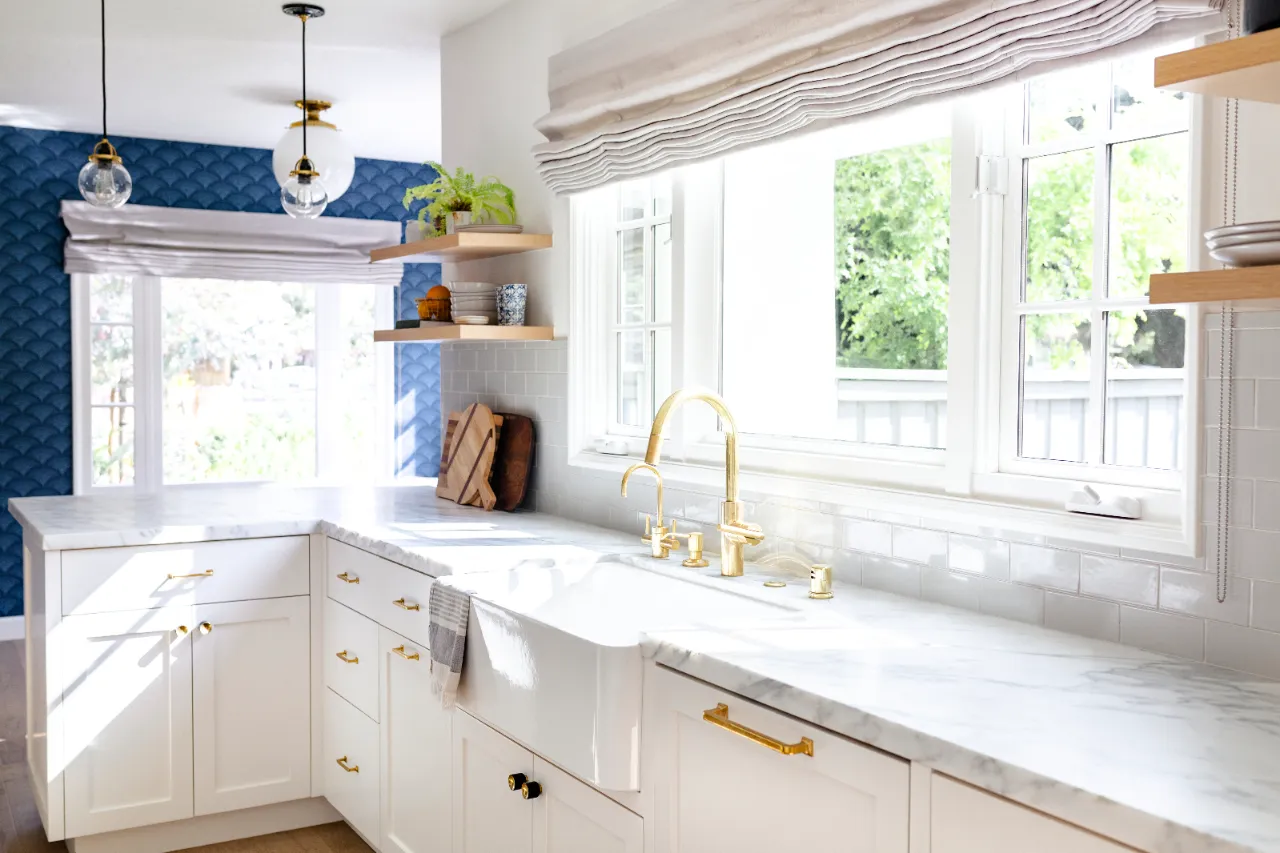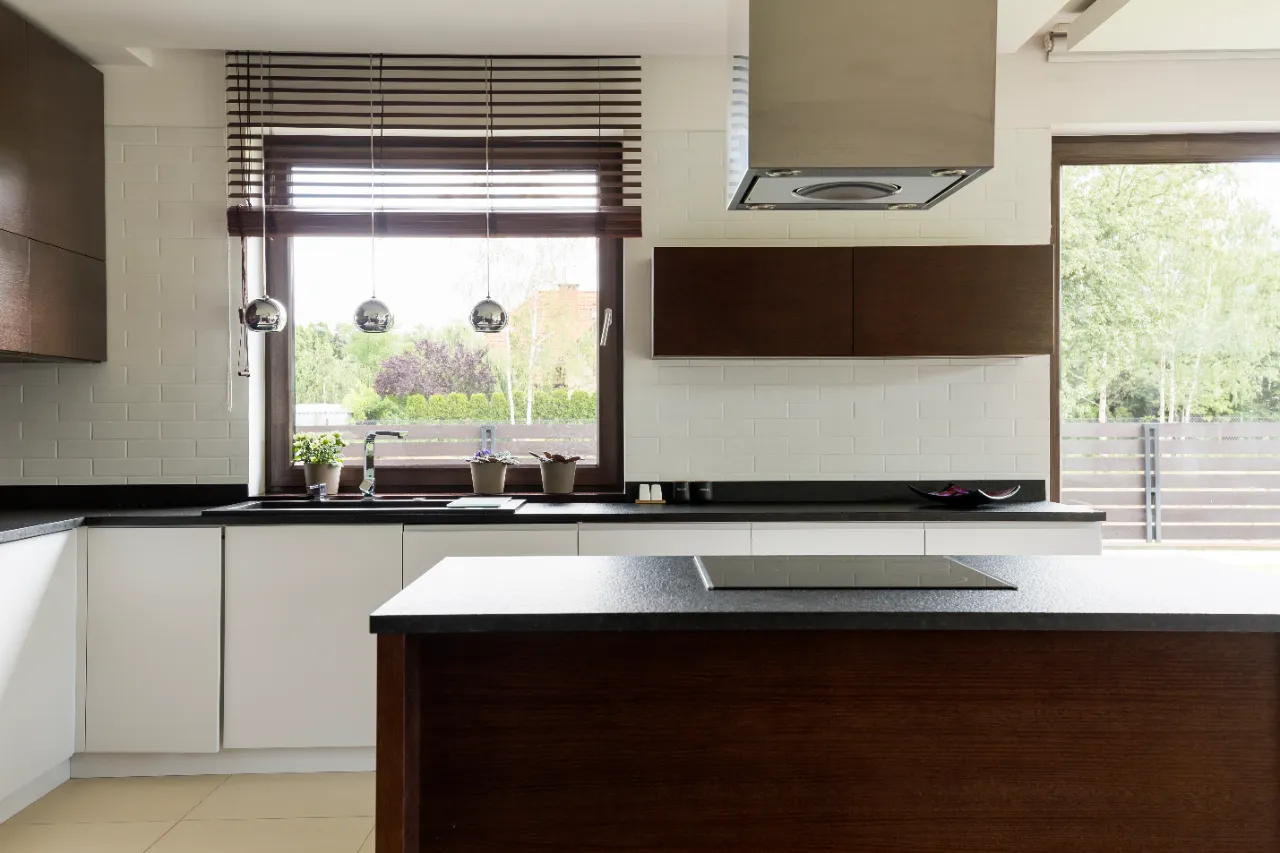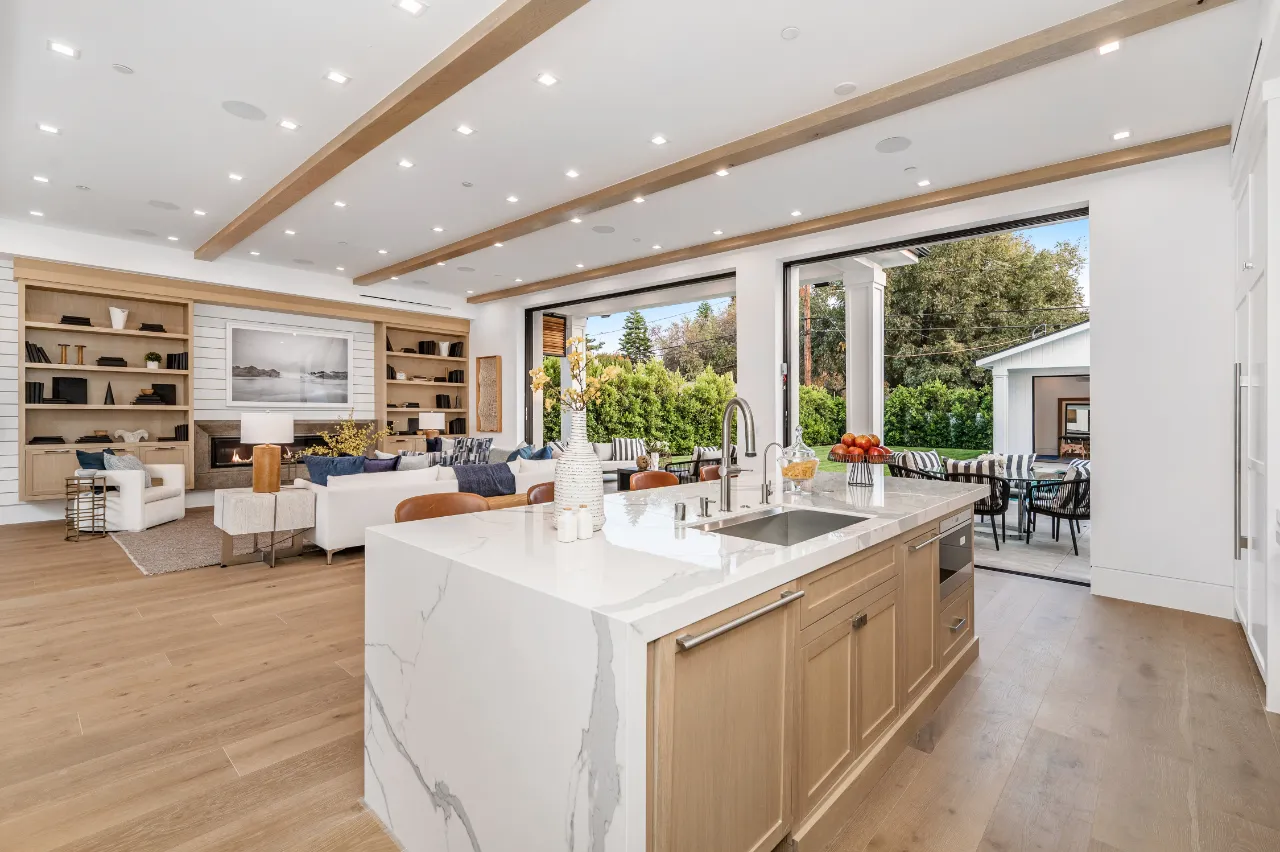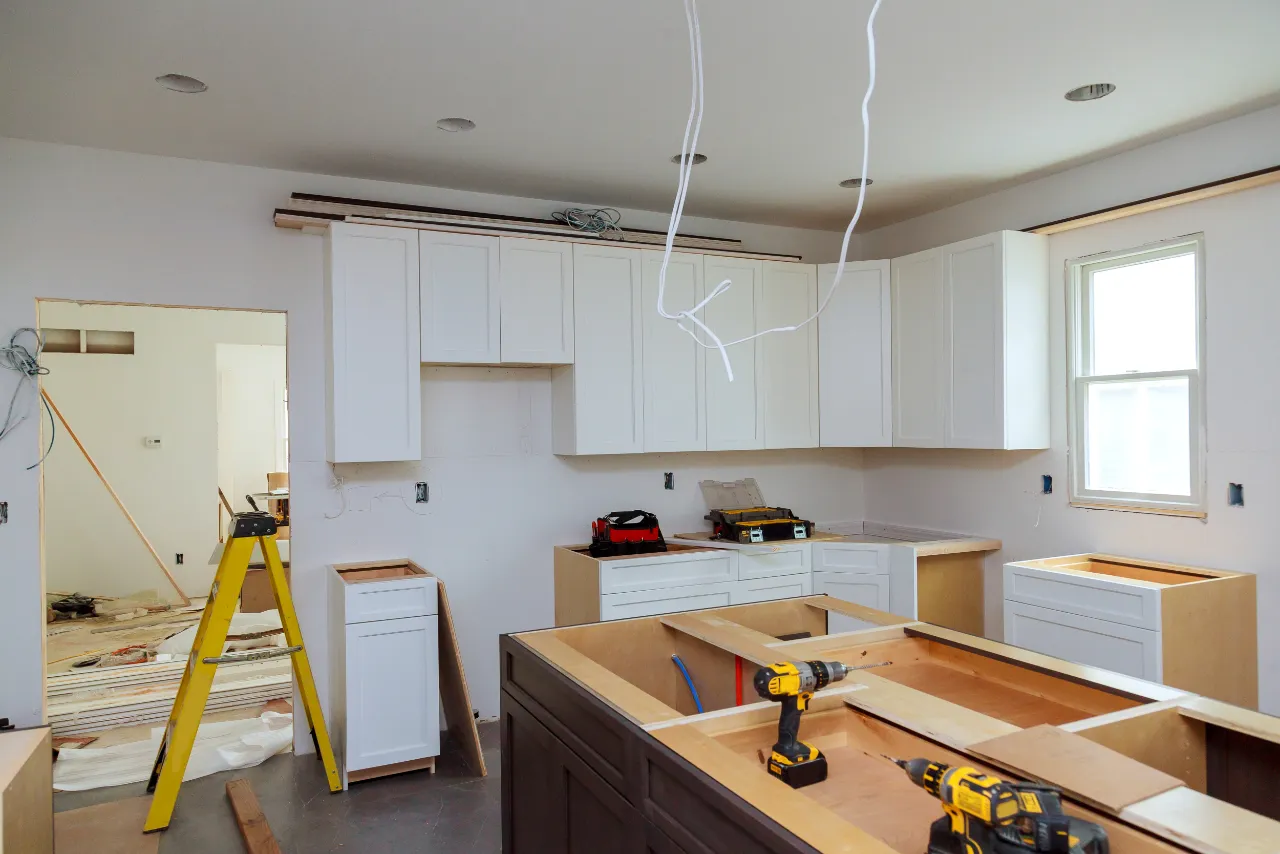
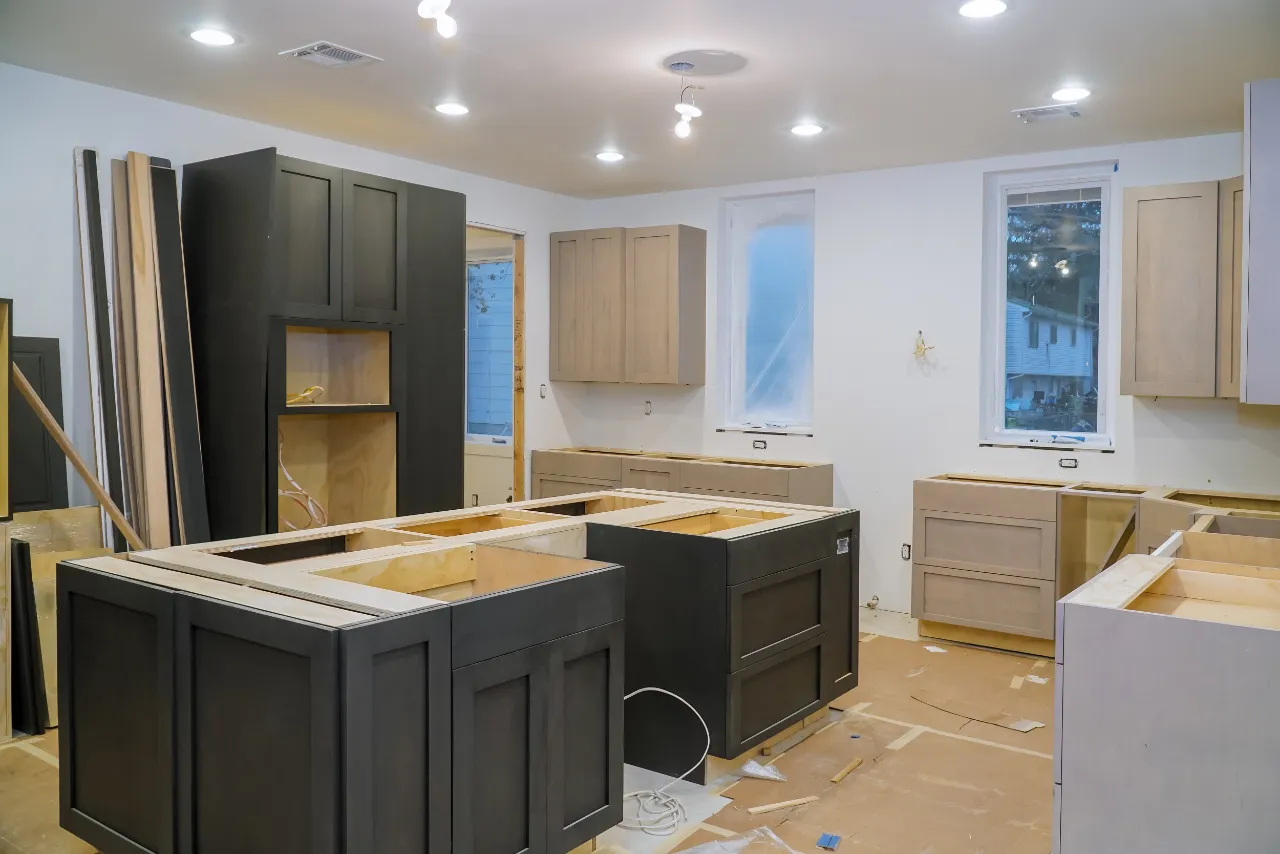
Professional Kitchen Remodeling Services in Massachusetts
A kitchen remodel changes how your whole house feels. The space gets easier to cook in, the layout works for your family, and the resale value goes up. We handle the full job from demo to final walkthrough. Cabinets, countertops, tile backsplash, plumbing rough-in, electrical, lighting, and finish work. One crew, one point of contact, one written quote with no surprise charges later down the road.
Carlos Maldonado runs every kitchen project personally. He visits your home, takes measurements, listens to what you cook and how you move, and writes a quote you can read in plain English. No vague line items. No sales pitch. Materials come from Home Depot for general supplies, SherwinWilliams for paint, and Next Day Moulding for cabinets and trim. You can upgrade to higher-grade products at any point during the planning stage.
Massachusetts kitchens have their own issues. Tight floor plans from older builds. Plaster walls hiding plumbing and gas lines. Subfloors that slope two inches end to end. Electrical panels too small to handle a new dishwasher, range, and disposal at once. We have seen all of it. The crew handles the rough work that other contractors skip, like leveling subfloors, replacing outdated wiring, and upgrading the panel when needed. The finish looks clean because the work underneath is right.
Cabinet and Countertop Installation
New cabinet installs start with a clear layout. We map the cabinet runs, appliance locations, and lighting before any demo begins. The kitchen layout follows the work triangle, where sink, range, and refrigerator sit at usable distances. If you want to move appliances to a new spot, we tell you the cost up front. Moving a sink to the other wall means new plumbing rough-in. Moving the range means new gas or 240V electrical. No surprises during construction.
Cabinet installation goes in level and plumb. We shim base cabinets off the floor where it slopes, and it always slopes in older Massachusetts homes. Uppers screw into solid framing, not just drywall. Seam fillers go in tight so the panels look factory matched. Soft-close hinges and drawer slides come standard on most cabinet lines. Crown and toe-kick trim wraps up the cabinet phase. Everything sits square before the countertop template gets made for fabrication.
Kitchen Renovation Process
Renovation work means keeping some of what you have and replacing the rest. Many Massachusetts kitchens have solid cabinet boxes hiding behind dated doors. A cabinet refacing or repaint can save thousands while still giving you a new look. We help you decide what is worth keeping and what should go. Counters, sinks, faucets, and lighting are the highest-impact upgrades if budget is tight. A full gut takes longer and costs more but gives you the layout you actually want.
Most kitchen renovations start with one trigger. A failed dishwasher. Cracked tile floor. Cabinets falling off the wall. We inspect what is behind the visible problems before quoting. Hidden water damage near the dishwasher and under the sink is common in older Massachusetts homes. So is outdated wiring that does not meet current code. The quote includes a clear scope for visible work plus a contingency line for what we might find once cabinets come down. You decide on each change order.
Our renovation process runs in four phases. Phase one is the walkthrough and written quote. Phase two is material selection and ordering. Phase three is demo, rough work, and inspections. Phase four is finish work, appliance install, and final walkthrough. Each phase has a target end date in the quote. We hit those dates because we plan ordering before demo starts. Cabinet lead times in Massachusetts can run 4 to 8 weeks for semi-custom, which we account for early.
Why Kitchen Quality Matters in Massachusetts
Massachusetts weather puts real stress on kitchen materials. Winter heating dries the air and shrinks wood cabinets. Summer humidity swells them back. Cabinets, counters, and trim need to handle that swing without splitting or warping. We install solid wood doors with expansion gaps where they belong. Stone and quartz counters get the right caulk gap at the wall, not glued tight. A counter installed too tight against drywall will crack the first winter when the framing shrinks slightly.
Massachusetts building code sets clear rules for kitchens. GFCI outlets within six feet of the sink. Dedicated 20-amp circuits for the counter receptacles. Separate circuits for the dishwasher, disposal, and refrigerator. Range hood vented outside, not into the attic or cabinet above. Cutting these corners