Professional Interior Painting Services in Lowell, MA
Lowell interior painting projects work in three main housing categories. Victorian triple-deckers in residential neighborhoods. 1890s mill worker tenements in central Lowell. Modern loft conversions inside renovated mill buildings along the canals. Each category has different wall substrate, prep needs, and architectural considerations. We assess the housing type during walkthrough to plan the proper approach.
Federal Renovation Repair and Painting rule applies to all pre-1978 Lowell homes. Our crew is EPA Lead-Safe Certified for these jobs. Most Lowell housing predates 1978. The procedures include plastic containment, HEPA-vacuum cleanup, and proper paint chip disposal at project closeout. We document compliance per federal requirements on every applicable project.
Lowell mill loft buildings sit within Lowell National Historical Park boundaries. Interior painting does not require federal historic review. Exterior facade work would require it. Building managers sometimes have rules about acceptable interior scope and material delivery procedures through the original mill structure stairs and elevators. We coordinate with management during planning.
Surface Preparation in Lowell
Surface prep for Lowell tenement walls addresses 1890s plaster on wood lath that has settled significantly. Hairline cracks fill with vinyl spackling. Larger cracks need plaster-compatible compound. Bulging sections need lath reinforcement. Stains from old roof or plumbing leaks need oil-based stain blocker. We assess each wall during walkthrough and quote based on actual prep needs per room.
Lowell mill loft walls present specific prep challenges. Exposed brick walls may stay exposed as architectural feature. Other walls are drywall or original plaster. We work with the owner on which surfaces to paint and which to keep raw. Painting brick requires specific masonry primer if the owner wants to convert exposed brick to a painted finish.
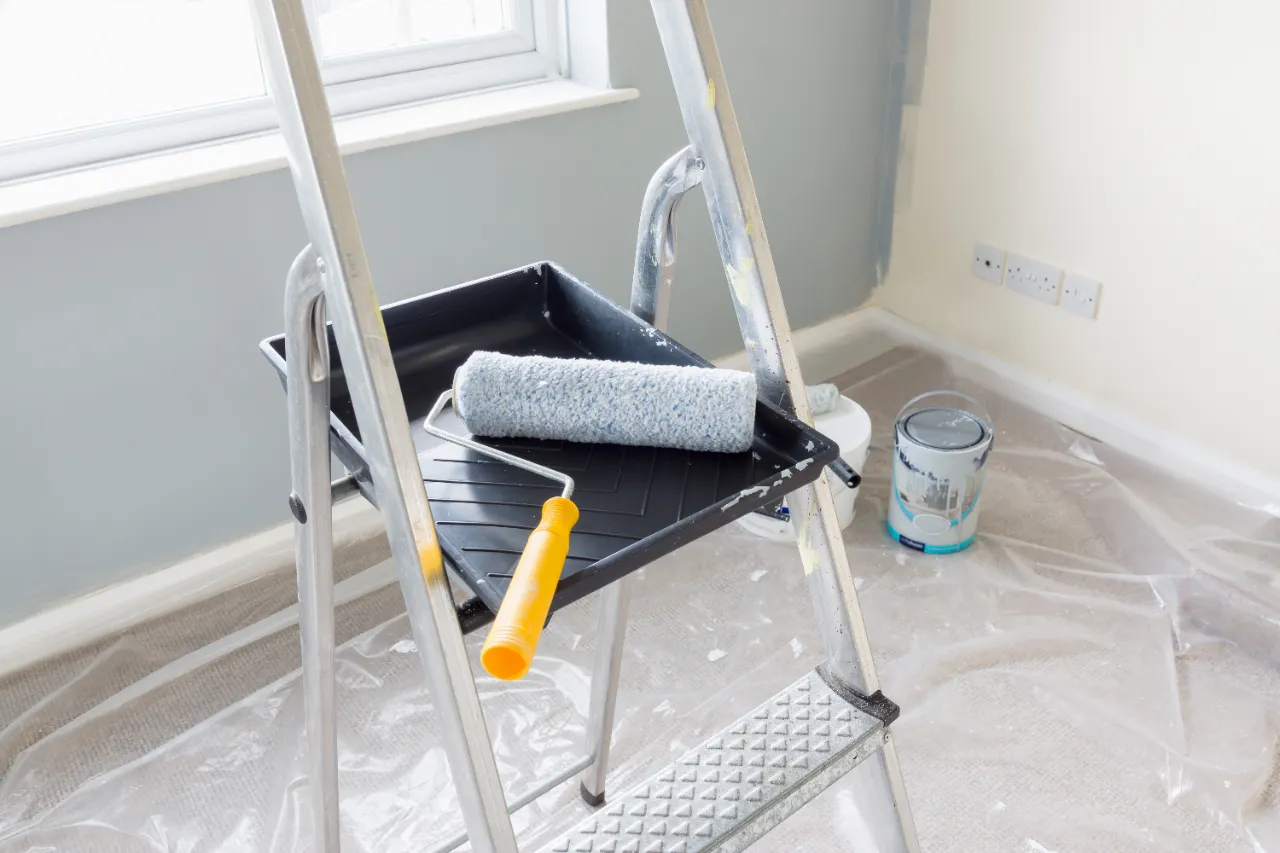
Lead-safe prep procedures cover pre-1978 Lowell homes. Plastic containment isolates work areas. HEPA vacuums clean dust during sanding. Paint chip disposal follows federal requirements. Workers wear protective equipment. The setup adds project time but is required by RRP rule and protects occupants from lead exposure during the prep and demo phases of work.
Painting Process in Lowell
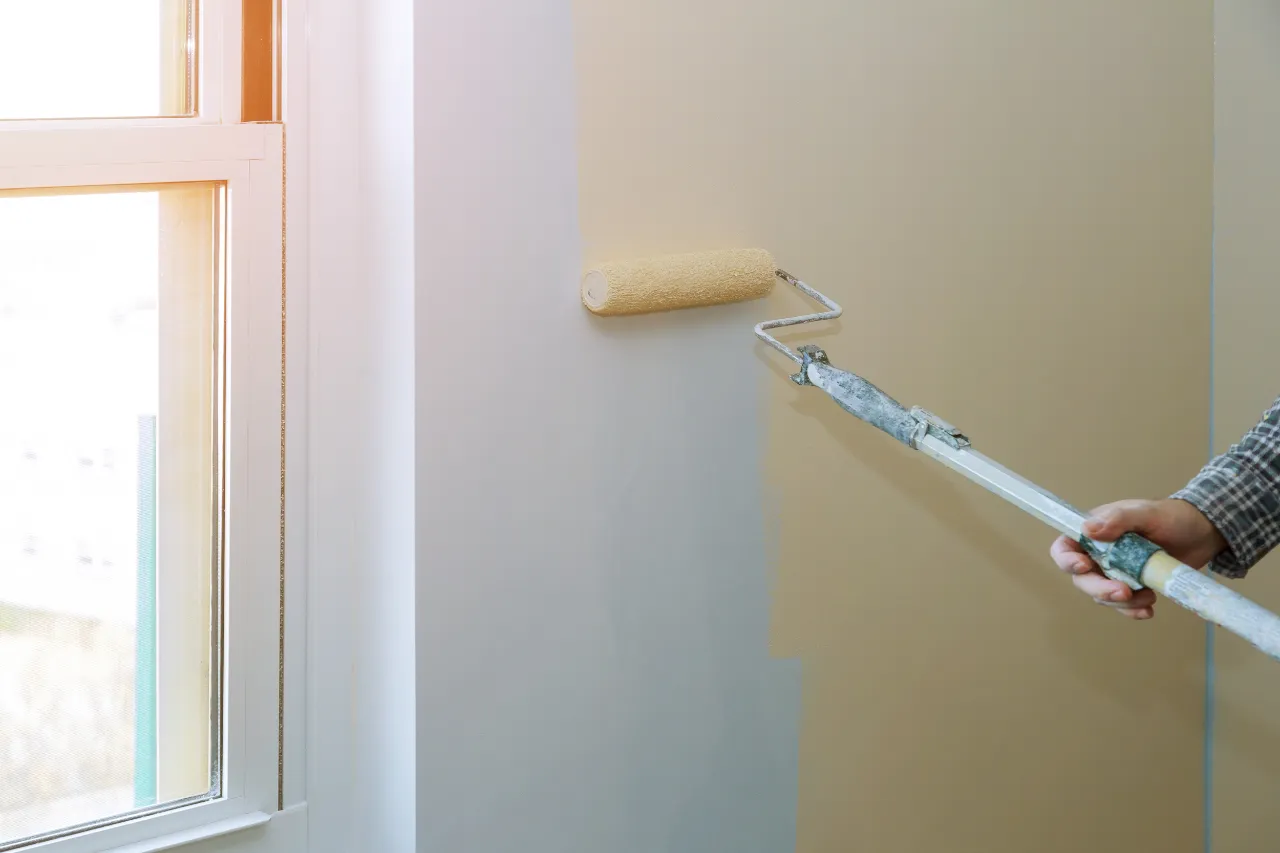
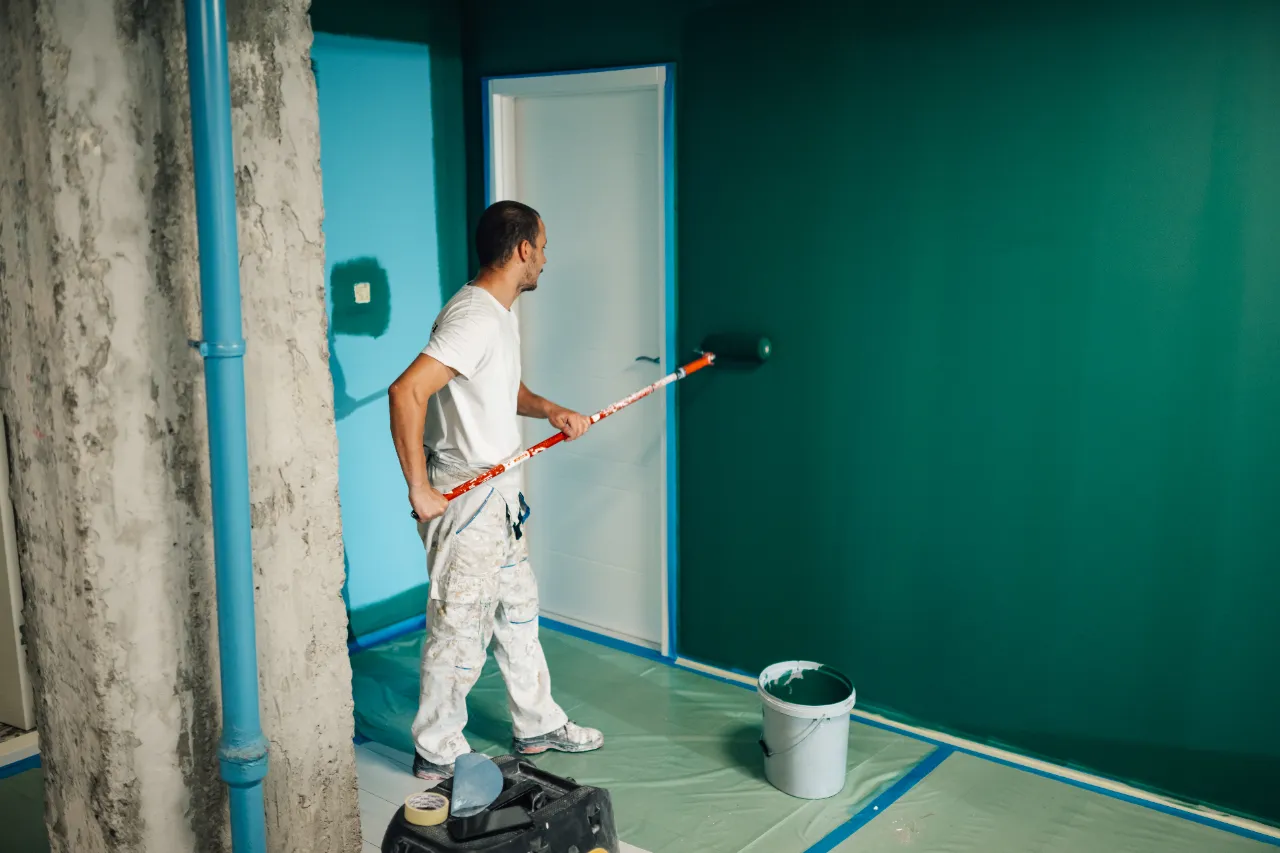
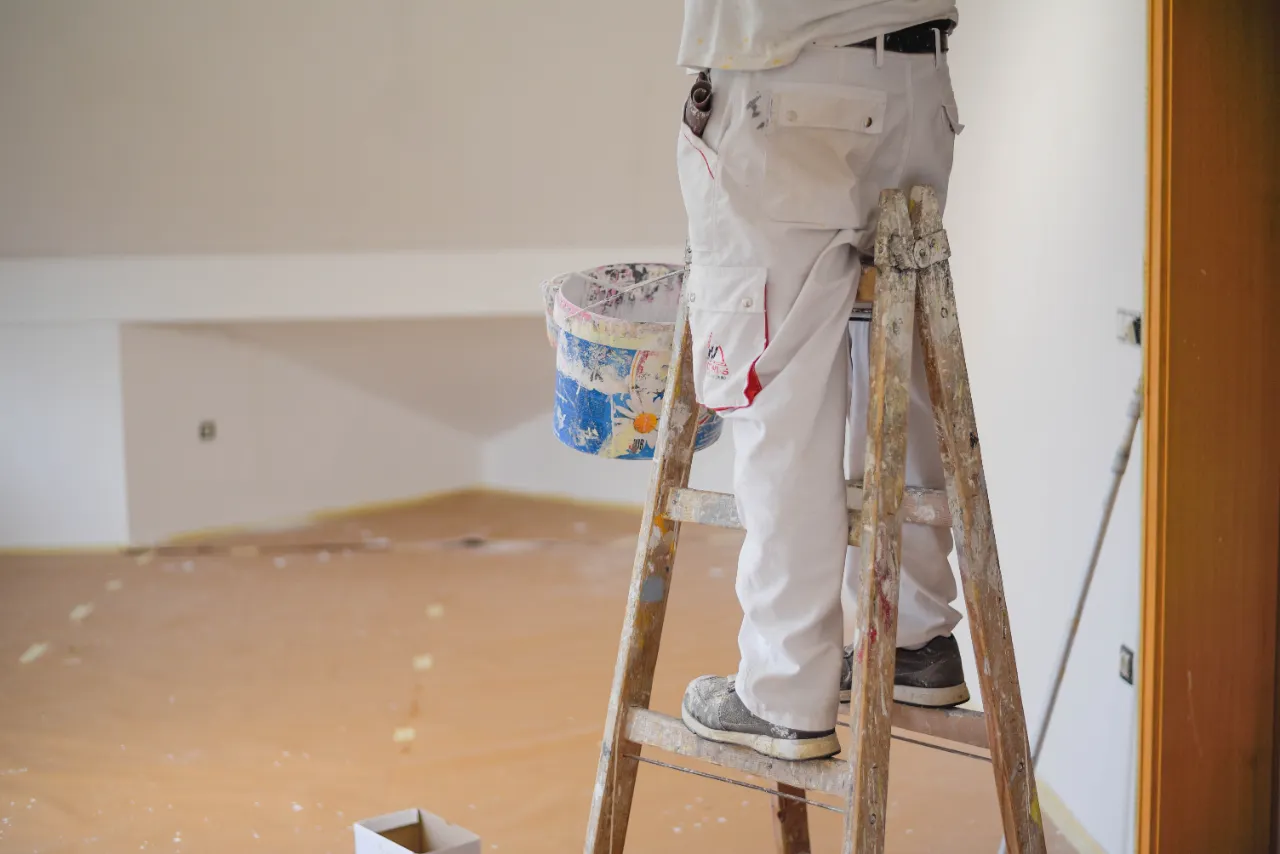
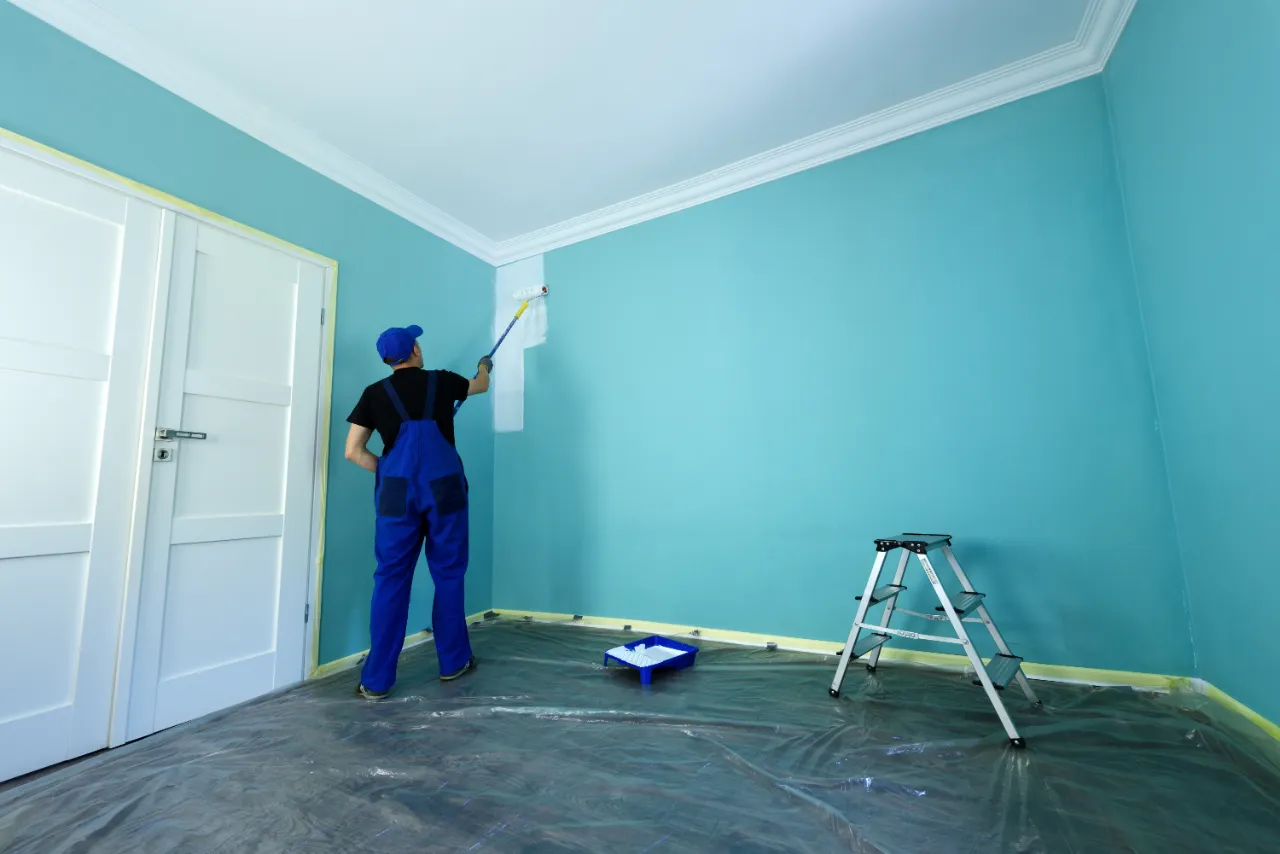
Paint application in Lowell interiors follows the standard sequence. Ceilings first. Walls second. Trim last. Two coats minimum. Three coats when previous colors were dark or stained. Each coat gets proper dry time. Mill buildings hold cold in stone and brick walls, which affects local room conditions and dry times during shoulder season projects.
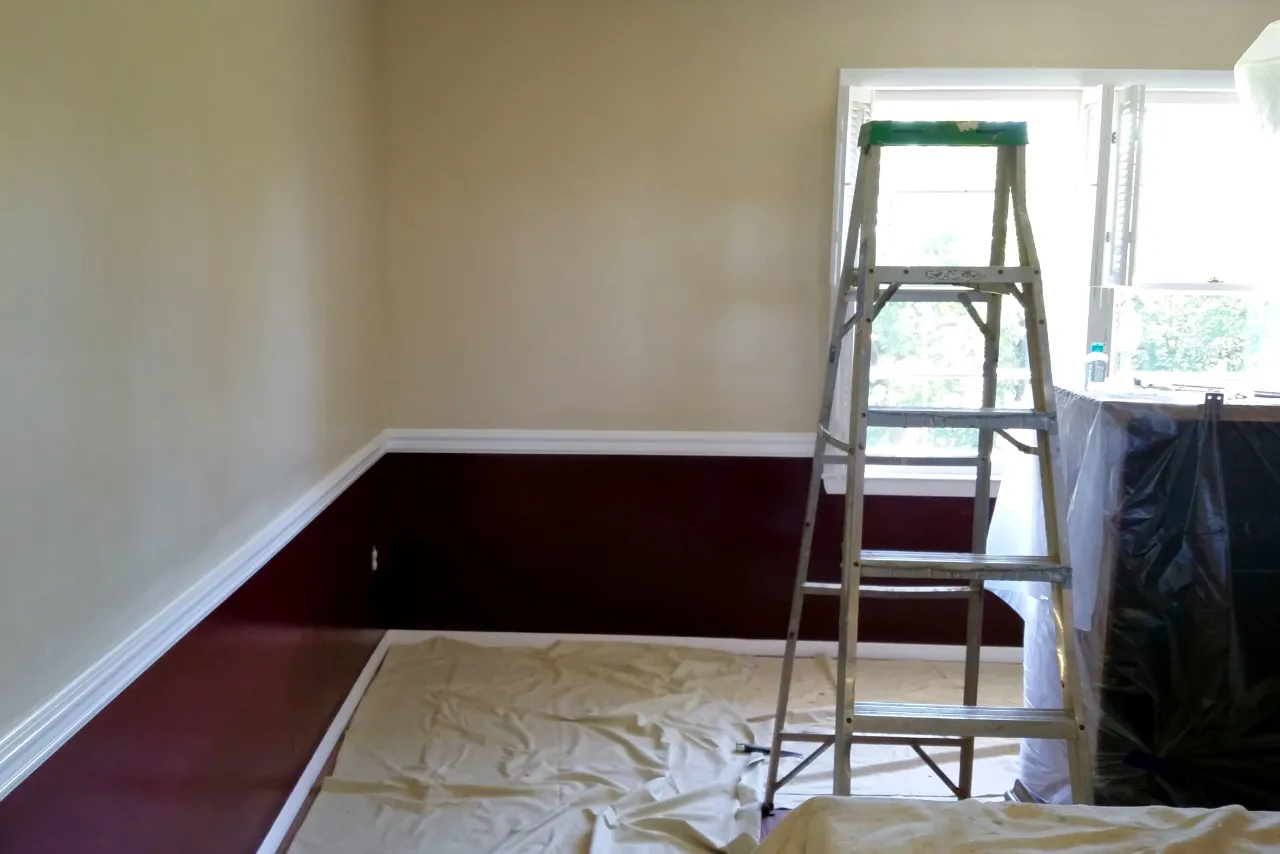
Color selection in Lowell homes considers room exposure and architectural style. Mill loft units suit modern industrial colors that complement exposed brick and timber. Triple-decker apartments accept neutral palettes that brighten small rooms with limited natural light. Tenement apartments work best with lighter colors given the small room sizes. We recommend appropriately.
Primer selection drives paint longevity in Lowell interiors. Plaster substrate needs alkali-resistant primer. Drywall needs PVA primer. Brick walls being painted for the first time need masonry primer rated for porous substrates. Stained walls need stain-blocking primer. We select primer specifically per substrate and condition rather than using one product on every surface.
Why Interior Paint Quality Matters in Lowell
Lowell interior painting quality depends on proper surface prep for the specific substrate. Mill loft brick painted without proper primer flakes within months. Tenement plaster cracks return through cheap patches. Triple-decker trim peels where old paint coats were not cleaned. We do each prep step properly because the prep determines the finish longevity in service.
Sherwin-Williams products work well in Lowell interior conditions. SuperPaint for standard walls. Cashmere for smoother finish. Emerald for stain resistance and lifetime warranty. ProClassic for trim. Masonry-rated primer for exposed brick being converted to painted. We match product selection to substrate and room use rather than using one product line everywhere.
Bad Lowell interior painting fails predictably. Brick painted without proper masonry primer flakes within months. Plaster cracks come back through cheap patches. Trim peels because substrate prep was rushed. Loft walls show patch marks because mud was not properly sanded and primed. We avoid these failures with proper prep specific to each substrate type.