Professional Bathroom Remodeling Services in Boston, MA
Boston bathroom remodels live by their own rulebook. Many older buildings sit in landmarks districts where window changes need Boston Landmarks Commission review. Condo associations layer their own requirements on top of city permits. Brownstone units share plumbing stacks with neighbors above and below. We plan each Boston bathroom project around these constraints from the first walkthrough so the timeline stays realistic and the budget stays accurate.
Boston ISD issues separate building, plumbing, and electrical permits for bath work. The permits get pulled before any demo begins. Inspections happen at rough-in and final. We pull the permits, schedule the inspections, and hand the closeout paperwork to you when the project finishes. Skipping permits causes problems if you later refinance or sell because the closing attorney will ask for the records and the missing paperwork triggers delays at closing.
Material delivery to Boston buildings requires advance planning. Many condo buildings only allow construction deliveries between 8am and 5pm on weekdays, through service entrances, with lobby and elevator protection installed first. We coordinate with property managers on loading zones, schedule material drops to avoid blocking neighbors, and protect common-area surfaces during every phase of the project. This level of coordination is normal in Boston work.
Bathroom Installation in Boston
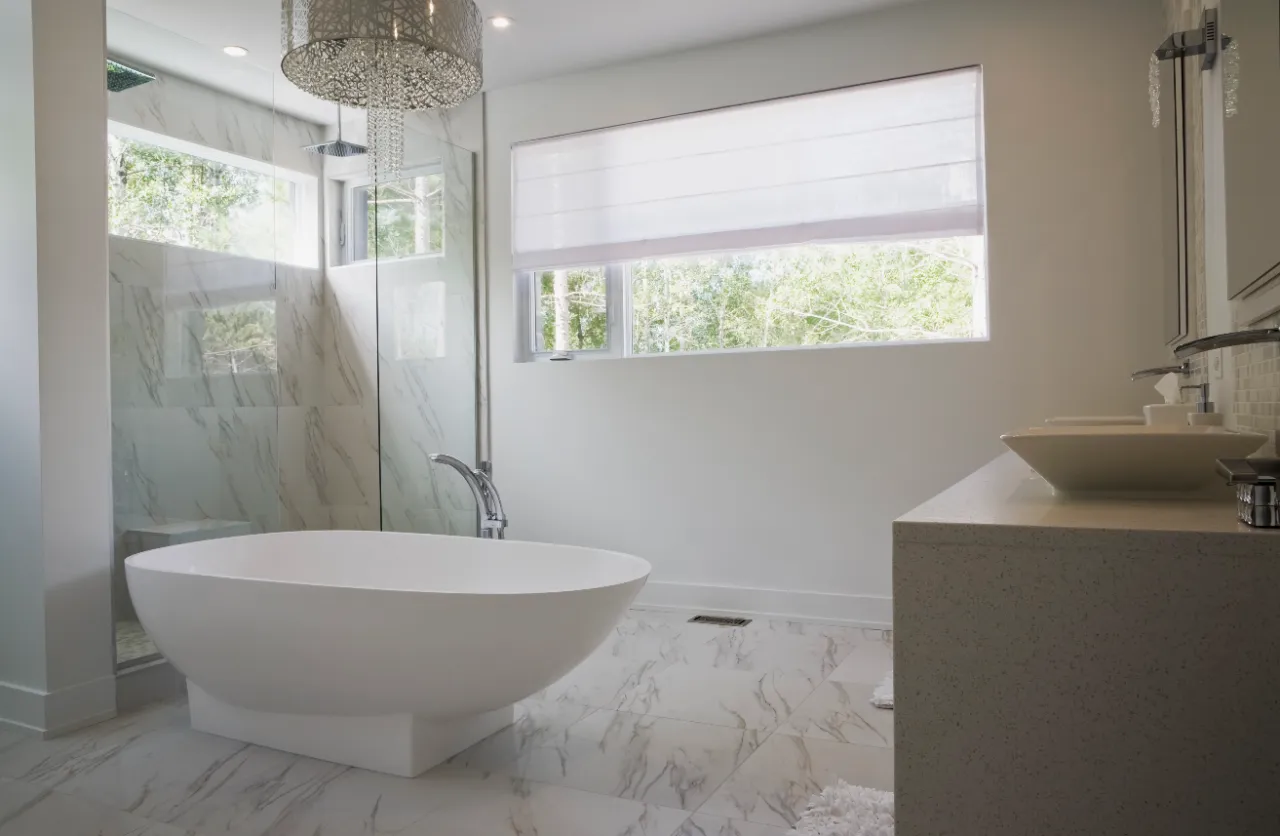
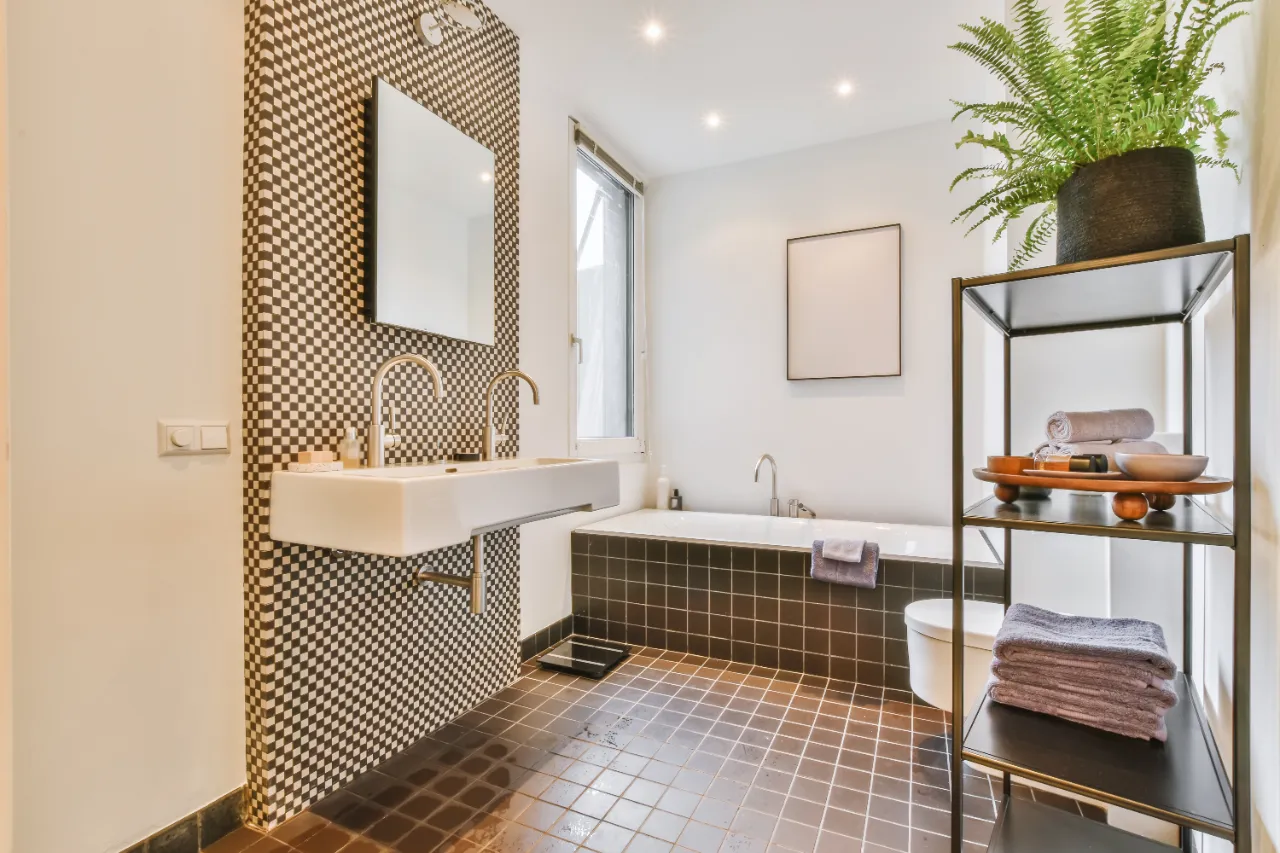
Boston brownstone baths often sit in 35 to 45 square foot footprints. Layout planning starts before fixture selection because every inch matters in small spaces. We measure twice, sketch the layout, and present options like wall-hung vanities, corner sinks, and shower-only configurations to maximize usable space. Each option gets a written estimate so you can compare cost against the space gained before you commit.
Plumbing rough-in for Boston condos works around stack locations that cannot move. The waste stack runs through every floor in the building, so we cannot relocate a toilet to a new wall without major coordination with the condo association. Sink and shower drains have more flexibility because they tie into the stack within the bath footprint. We map what is possible and what is fixed before fixture orders go out.
Tile work in Boston baths often involves plaster wall substrate hidden behind newer drywall patches from past renovations. We open the wall during demo to see what is actually there before any tile goes up. Plaster needs different backer board and adhesive than drywall. Schluter or RedGard waterproofing goes over the substrate at shower walls. Tile sets level on shimmed boards because old Boston building floors slope toward the harbor side.
Bathroom Renovation Process in Boston
Renovating an old Boston bath means working with what was added decades ago, sometimes in tight corners that did not originally have plumbing. We see baths squeezed into closets, under stairwells, and inside bedroom corners. Each one comes with its own quirks: vent stacks that bend around joists, supply lines that run through finished ceilings below, and fixtures that were never properly secured to framing. We address each issue as the demo reveals it.
Boston condo associations sometimes require approval on finish material color, faucet brand, and even tile pattern. The association rulebook lists what is allowed in unit renovations. We help you prepare the submission package with material samples, install sequence, and the contractor information the board requires. Most boards review within 2 to 4 weeks, so we factor that timeline into project scheduling from day one.
Bath renovation in Boston historic district homes follows Massachusetts Historical Commission guidelines on interior work that affects original features. Original tile floors from 1900 or earlier sometimes get preserved when feasible. Cast-iron tubs and pedestal sinks can be re-enameled rather than replaced when the owner wants the original kept. We walk through what can be saved versus what should be replaced during the planning phase.
Why Bath Quality Matters in Boston
Boston bath quality problems show up fast because of how older buildings move. Brownstones built on filled marshland settle over decades, so floors slope and walls go out of plumb. Newer fixtures installed without accounting for these slopes look crooked within months. We check level at every wall before tile goes up and shim the substrate where needed so the finished look stays square even when the building behind it has shifted with time.
Boston code enforcement on bath work is stricter than many Massachusetts cities. ISD inspectors check GFCI placement, fan venting, fixture clearances, and structural changes during rough-in. Failing an inspection means schedule delays and re-work. We hit code on the first inspection by doing the boring work right: GFCI within six feet of any water source, exhaust fans vented outside the building envelope, and fixture clearances per the current Massachusetts plumbing code.
Cheap Boston bath remodels look fine for the first summer and fall apart by the second winter when heating dries the air. Plaster patches over old electrical chases shrink and crack. Caulk lines split at the tub edge. Tile grout opens up at corners. We avoid these failures by using the right primer on plaster, scoring expansion joints in tile work, and choosing caulk rated for the temperature swings in Boston winter air.