Professional Carpentry Services in Springfield, MA
Springfield carpentry projects span Victorian foursquare original trim, post-war ranch simple trim, and tornado-rebuilt home modern trim. Each housing type has different profile requirements, joinery considerations, and material needs. We assess existing trim conditions and architectural style during walkthrough so the quote matches actual project requirements in each Springfield home.
Federal Renovation Repair and Painting rule applies to carpentry on pre-1978 Springfield homes when work disturbs painted surfaces. Our crew is EPA Lead-Safe Certified. Tornado-rebuilt Springfield homes from 2011 and later have no lead concerns. We confirm housing age during walkthrough so the right procedures apply for each project we complete in the area.
Connecticut River valley climate affects solid wood carpentry. Summer humidity above 70 percent swells wood components. Winter dry air shrinks the same wood. Trim joints flex with the seasonal swings. We use kiln-dried lumber with proper acclimation time in the home before installation to minimize seasonal movement on every Springfield project we complete in the city.
Profile Matching and Material Selection in Springfield
Profile matching in Springfield starts with measuring existing trim with profile gauges and calipers. Victorian crown molding, baseboards, and casings need accurate profile capture. We photograph existing pieces, take dimensional measurements, and source matching stock from Next Day Moulding or other suppliers. Custom profiles get knife-made when stock does not match Victorian originals.
Material sourcing for Springfield carpentry depends on the project. Painted trim uses poplar or MDF. Stained work uses oak, maple, or cherry. Historic restoration on Victorians sometimes requires specific species matching original wood. We source from local suppliers including Next Day Moulding, Home Depot, and specialty yards based on species and profile requirements per project.
Lead-safe prep on pre-1978 Springfield homes covers trim removal and stripping. Plastic containment isolates work areas. HEPA vacuums collect dust during sanding. Paint chips disposed in sealed bags. Tornado-rebuilt homes proceed without these procedures because the construction post-dates the lead paint era. We confirm housing age before starting any prep work.
Joinery and Installation in Springfield
Springfield carpentry installation follows specific sequences. Built-ins built off-site for accuracy then installed on-site. Crown molding cut accurately at miters and installed with fasteners into framing. Baseboards installed after flooring with shoe molding to cover floor gaps. Each element gets glued and nailed for stability. Joints get filled and caulked for clean reveals after install.
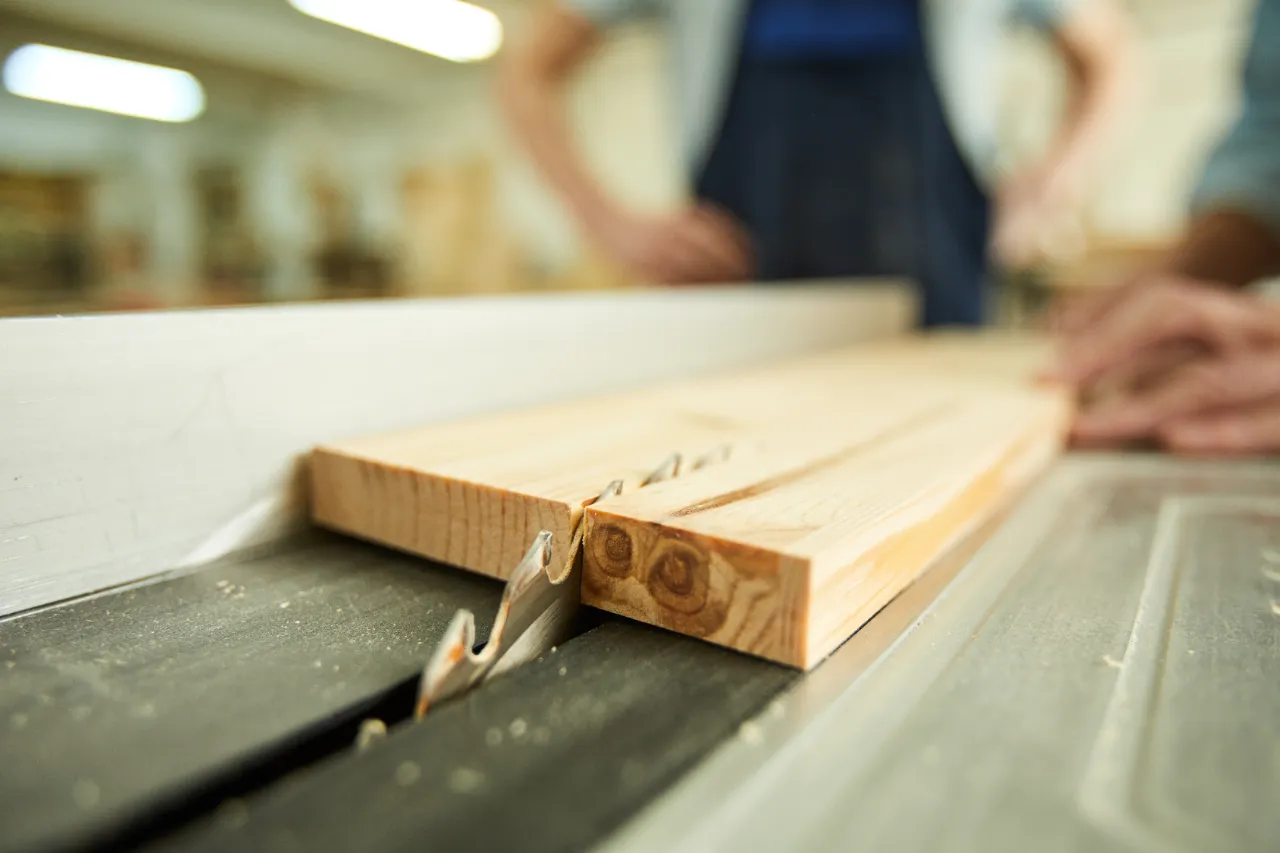
Joinery techniques on Springfield carpentry depend on the piece. Pocket-hole joinery for built-ins. Biscuit joinery for panel-to-panel connections. Dado and rabbet joints for shelf supports. Coped joints on inside corners of crown molding for tight fit. Miters on outside corners. Each joint type serves a specific structural purpose in the finished carpentry work for the home.
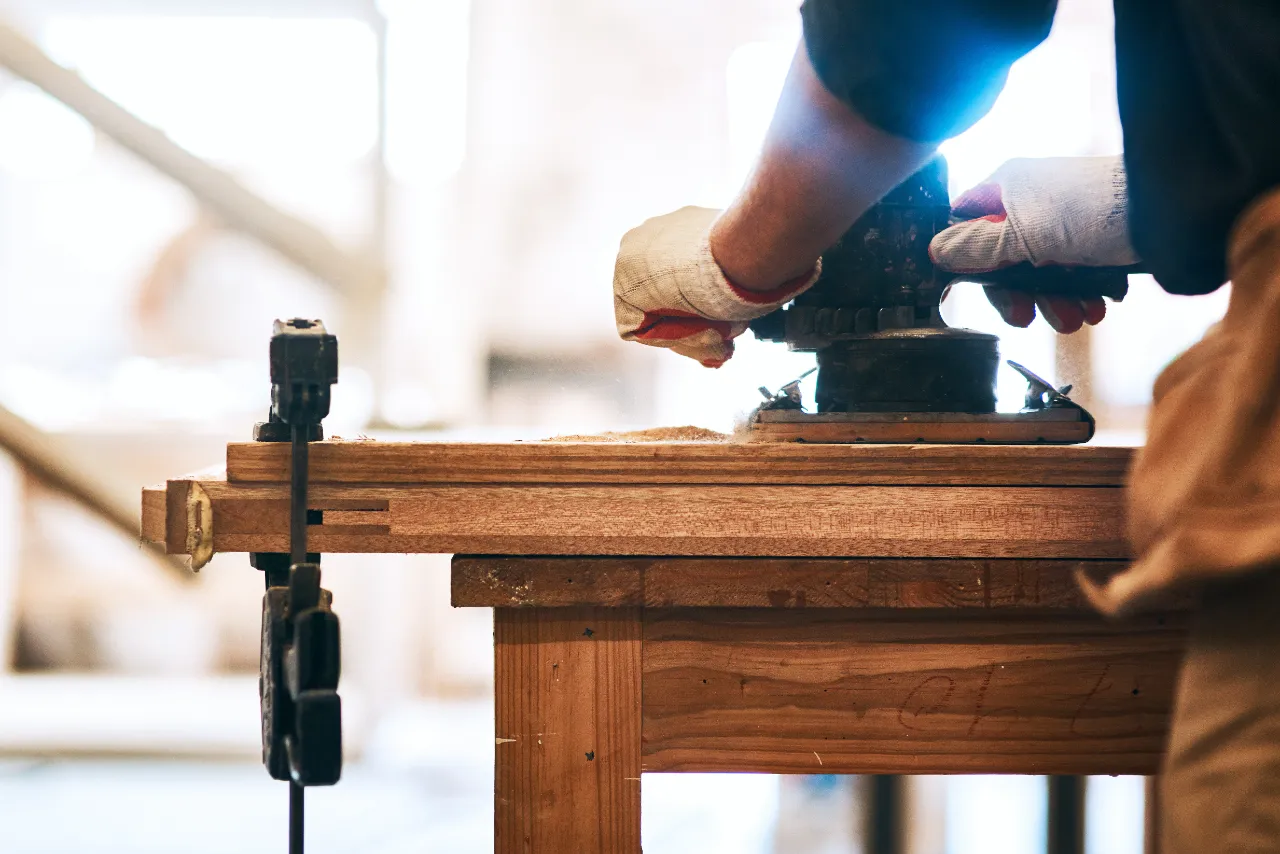
Finishing on Springfield carpentry happens after install. Filler in nail holes and joint gaps. Sand smooth. Prime painted pieces. Topcoat with two coats. Stained pieces get stain, sealer, and clear coat. We coordinate finish work with painting crews or handle finish work ourselves depending on project scope and the homeowner's preferences for the completion timeline.
Why Carpentry Quality Matters in Springfield
Springfield carpentry quality depends on accurate profile matching, careful joinery, and proper finishing. Mismatched profiles look obvious where new meets old trim on Victorian homes. Loose joints develop gaps within years. Sloppy finishing shows defects. We measure carefully, build with appropriate joinery, and finish thoroughly because details determine how the work looks years later.
Material selection in Springfield balances aesthetic and budget. Poplar painted trim costs less than oak. Oak stained work provides hardwood durability for Victorian restoration. Cherry premium pieces fit higher-end projects. MDF works for paint-grade flat work but should not be used in Victorian historic restoration where solid wood matching the original is the requirement.
Bad Springfield carpentry fails predictably. Profiles do not match because measurements were rushed. Joints loosen because wrong joinery was used. Finishes show defects because filler and prep were skipped. Built-ins fail because kiln-dried lumber was not used. We avoid these failures with proper measurement, joinery, and finish work on every Springfield project we complete.