Professional Window Replacement Services in Quincy, MA
Quincy window replacement projects work in a coastal environment that puts specific demands on windows. Ocean salt air corrodes aluminum frames and window hardware. Coastal humidity stresses sashes year-round. Winter nor'easters drive cold rain horizontally into window flashing seams. Each Quincy project requires marine-grade materials, especially homes near the harbor within a mile.
Federal Renovation Repair and Painting rule applies to window replacement on pre-1978 Quincy homes. Our crew is EPA Lead-Safe Certified. Many Quincy homes predate 1978. Window casing removal involves lead-safe procedures with plastic containment. Some homes date to the 1700s with multiple lead paint layers from generations of historic ownership.
Quincy housing window mix is diverse. 1700s colonial-era wood double-hung. Victorian cape six-over-six. Post-war ranch single-pane sliders being replaced today. Modern harbor-area condo picture windows. Each era has different window styles, rough opening sizes, and hardware requirements. We assess existing conditions during walkthrough so the quote matches actual project requirements.
Window Removal and Rough Opening Prep in Quincy
Window removal in Quincy starts with assessing existing rough openings. Colonial-era openings have settled significantly over centuries. Victorian cape openings have similar settling. Post-war ranch openings are typically more square. Harbor condo openings vary by building age. We measure all four corners and the diagonal during walkthrough before ordering any windows for installation projects.
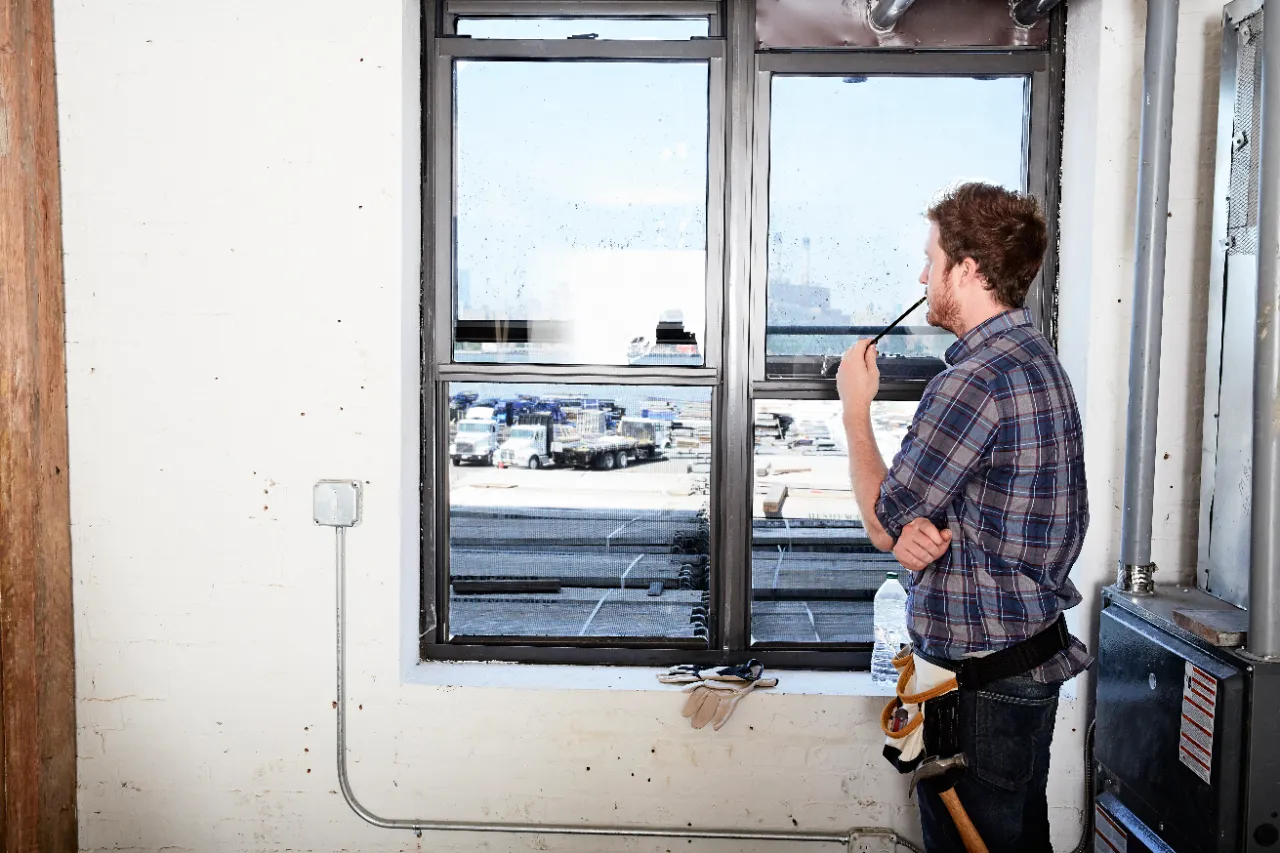
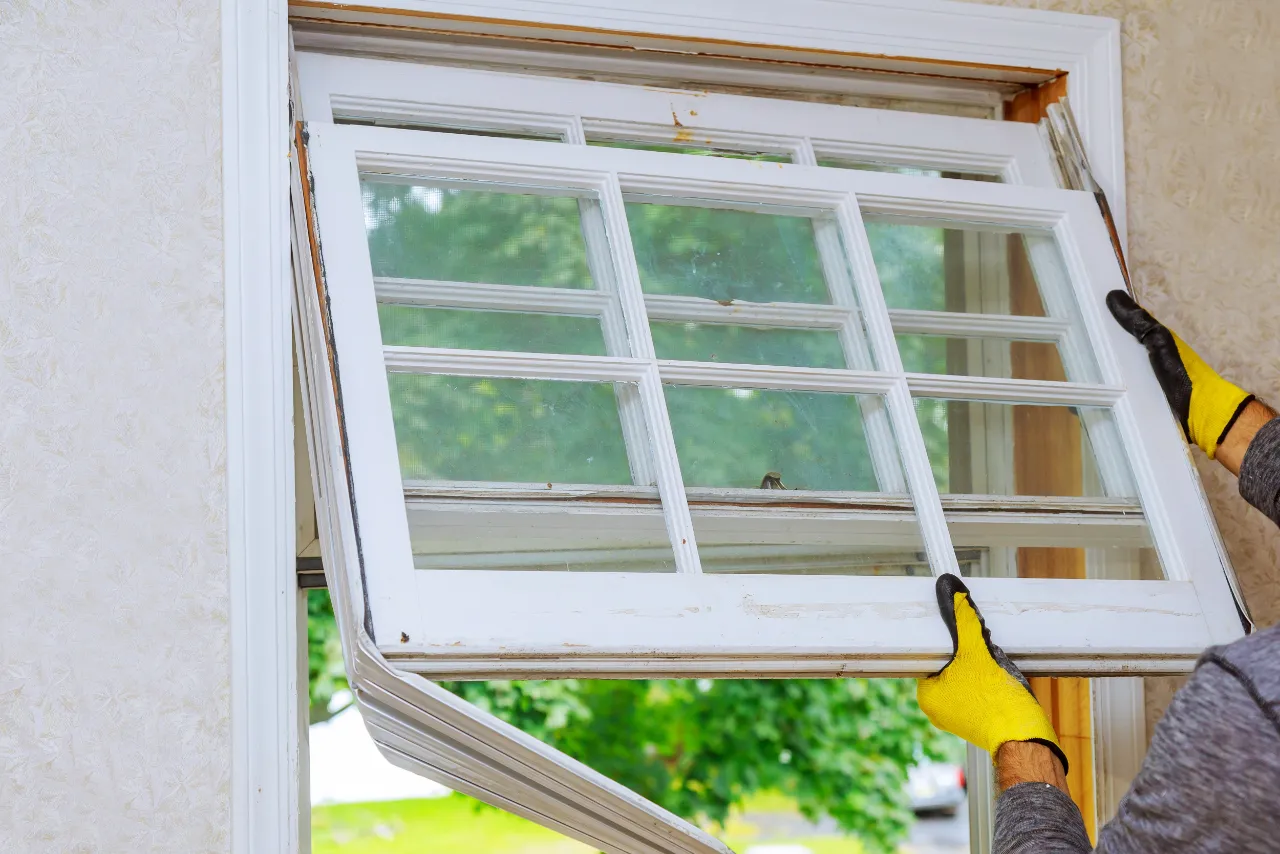
Existing window removal requires care on Quincy coastal homes. We remove casings, trim, and stops to free the existing unit. Lead-safe procedures apply on pre-1978 buildings, which covers many Quincy homes. Plastic sheeting contains dust. Salt air corrosion on existing hardware and aluminum frames may complicate removal on coastal-exposed entries facing the harbor.
Rough opening prep addresses settling and salt air damage common in Quincy coastal homes. Sill rot from winter storms and salt air infiltration is frequent on older Quincy entries. Frame damage from settling and moisture creates gaps needing wood repair before new window installation. We address damage during prep so new units install into sound framing.
Window Installation Process in Quincy
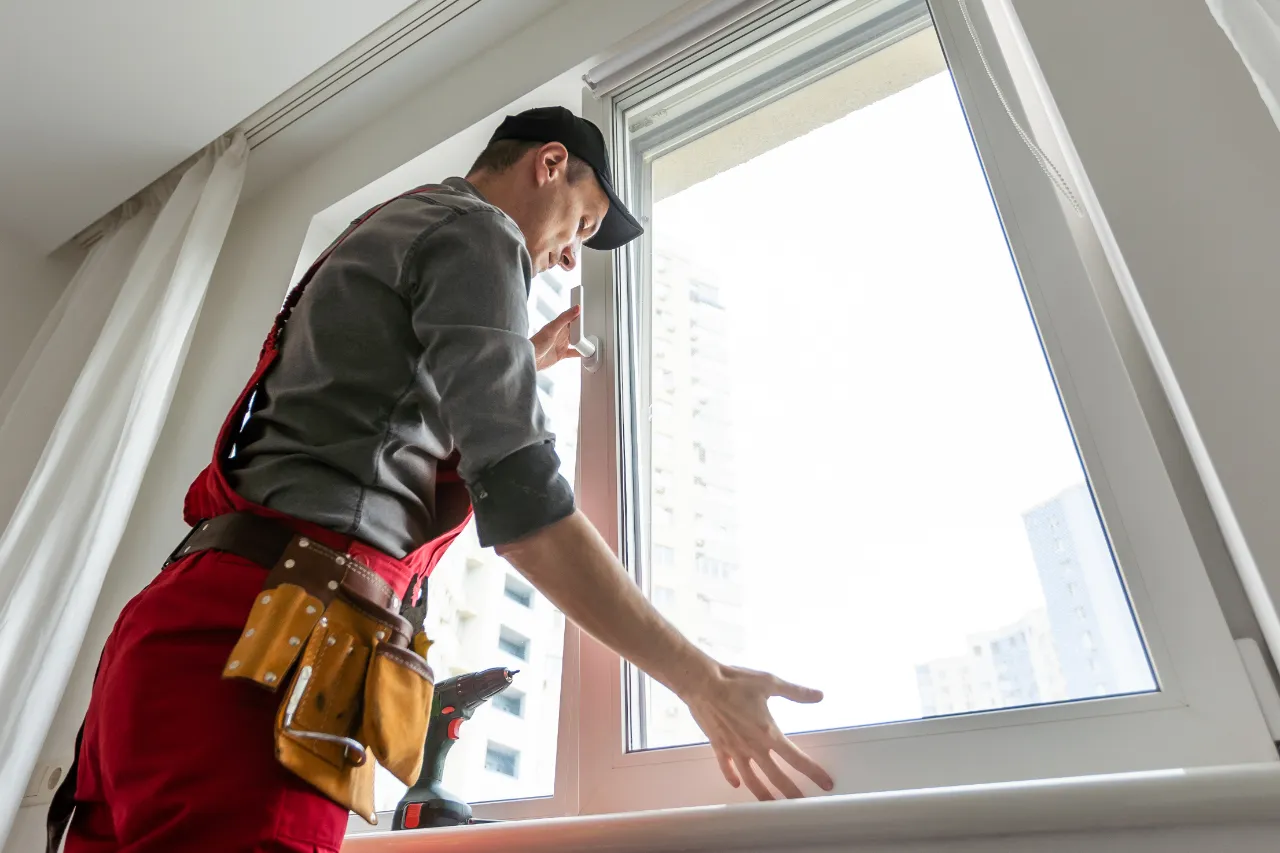
Window installation in Quincy follows the standard sequence with coastal considerations. Install sill pan flashing first. Set the new window. Shim plumb and square. Fasten through the nailing fin or jambs. Install side and head flashing tapes rated for coastal exposure. Insulate with low-expansion foam. Reinstall interior and exterior trim work to complete the project.
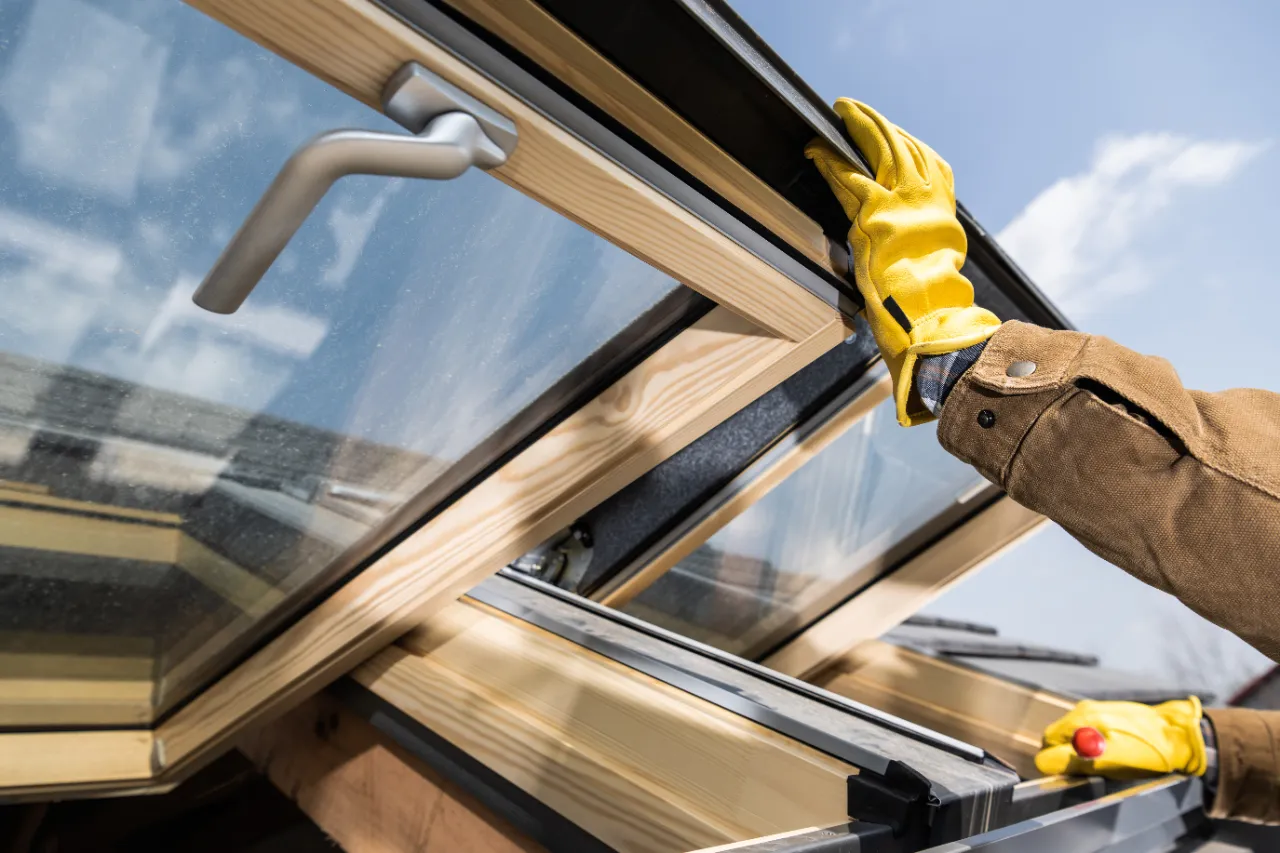
Window product selection in Quincy coastal homes requires marine-grade hardware. Vinyl and fiberglass frames with stainless steel hardware resist salt air corrosion. Aluminum frames corrode in coastal exposure. Wood windows swell with coastal humidity year-round. Hurricane-impact rated glass is available for waterfront Quincy exposures facing the harbor directly during storms.
Flashing installation completes the seal on Quincy coastal windows. Sill pan flashing directs water out below the unit. Side jamb flashing tape seals vertical seams against horizontal wind-driven coastal rain. Head flashing covers the top. We use marine-grade flashing tape on coastal-exposed homes. Skipping flashing on Quincy coastal homes leads to water damage fast.
Why Window Replacement Quality Matters in Quincy
Quincy window replacement quality depends on managing the coastal environment correctly. Salt air corrosion on hardware. Humidity stressing frames. Wind-driven rain testing flashing. We use marine-grade hardware on coastal-exposed homes and standard hardware on inland homes. The differentiated approach saves cost on inland homes while protecting coastal-exposed units with appropriate materials.
Window product selection in Quincy favors vinyl or fiberglass frames with marine-grade hardware on coastal-exposed homes. Vinyl holds dimensional stability in coastal humidity better than aluminum or wood. Aluminum corrodes in salt air. Wood swells with humidity. Hurricane-impact rated glass earns its cost on waterfront Quincy homes facing the harbor during storm conditions.
Bad Quincy window replacement fails in predictable coastal ways. Aluminum frames corrode within years because they were not marine-rated. Wood frames warp from coastal humidity. Flashing fails because standard tape was used instead of marine-grade. We avoid these failures by matching material selection to coastal exposure conditions specifically on every project we complete.