Professional Door Replacement Services in Boston, MA
Boston door replacement projects span historic brownstones with original 1850s entry doors, triple-deckers with heavy 1900s wood doors, and modern condos with varied slab styles. Each property type requires specific approaches to measurement, ordering, and installation. We assess existing rough openings, door styles, and hardware during walkthrough so the quote matches actual project requirements.
Boston Landmarks Commission review applies to entry door changes in historic districts like Back Bay, Beacon Hill, and the South End. The review process takes 4 to 6 weeks before installation can begin. Replacement doors must match existing style, profile, and color. We help homeowners prepare submission packages with door specs and condition photos for Commission approval.
Boston coastal climate puts specific demands on entry doors. Winter wind drives cold air into any gap in weatherstripping. Summer humidity swells wood doors and stresses hinges. Spring nor'easters drive rain horizontally into door seams. We select doors and weatherstripping rated for coastal exposure on every project we take on in Boston neighborhoods.
Removal and Rough Opening Prep in Boston
Door removal in Boston starts with assessing the existing rough opening. Brownstone openings often have settled over a century, creating out-of-square frames that need shimming for new doors. Triple-decker openings have similar issues from a century of settling. Modern condo openings are typically square and ready for standard-sized replacements. We measure carefully before any ordering.
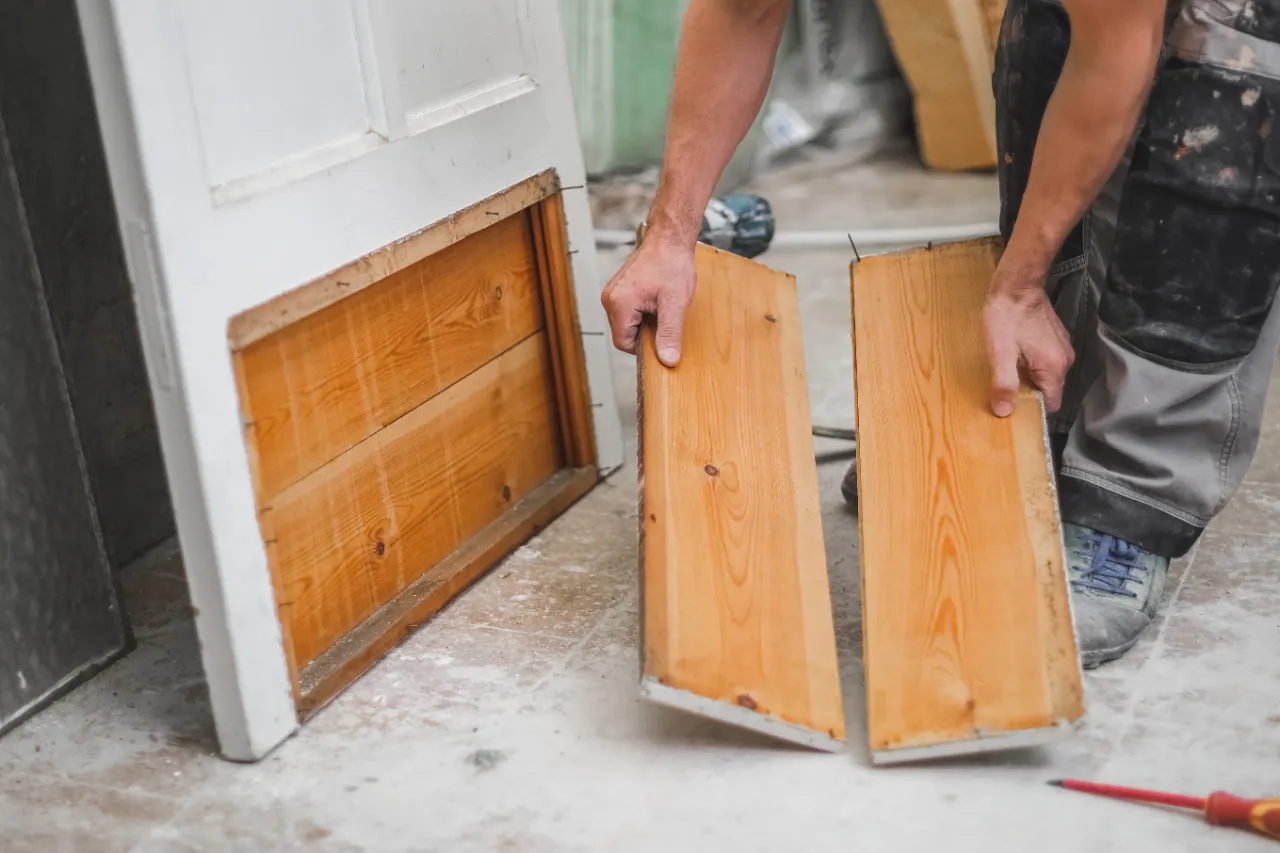
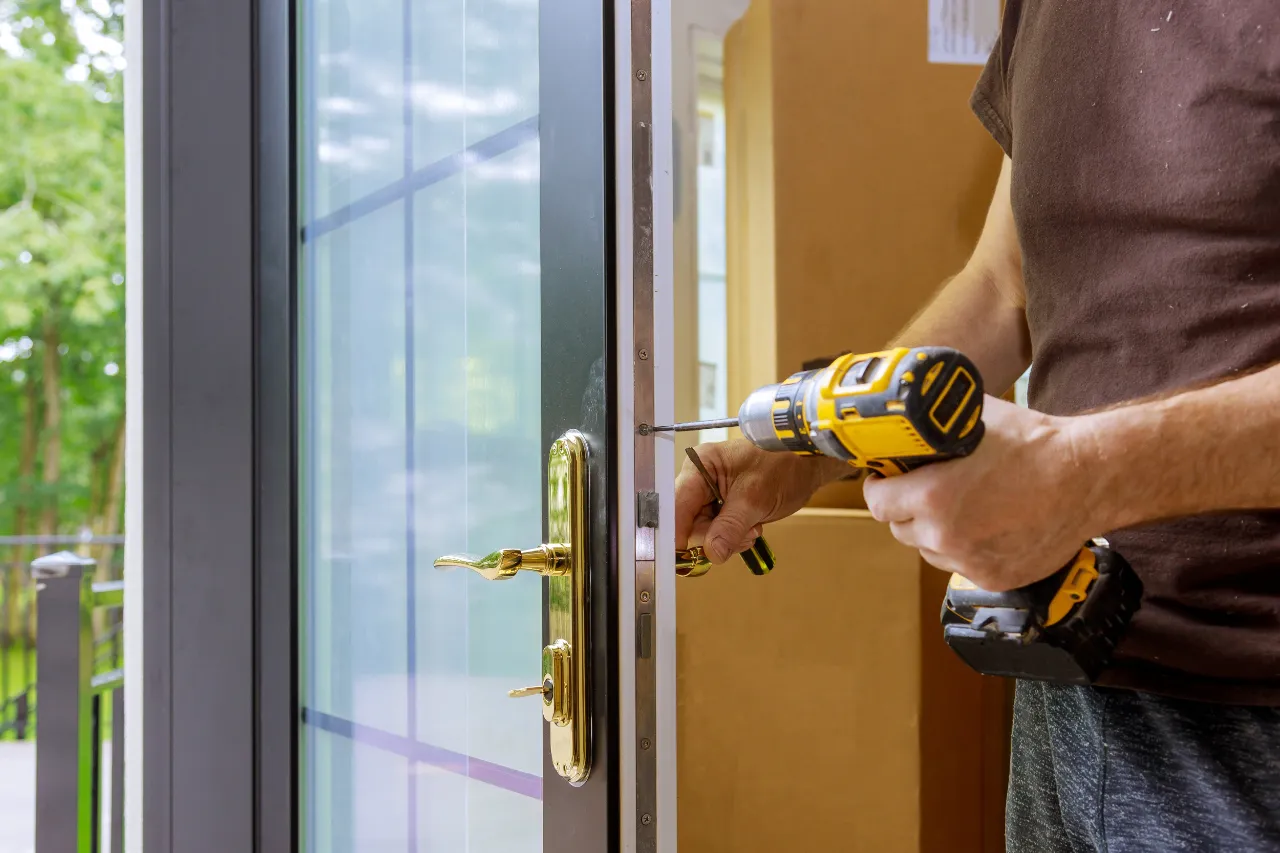
Existing door removal requires care to protect surrounding finishes. We remove hinges, hardware, and trim work to free the door slab. Pre-hung removals involve cutting the existing frame free from rough opening shims. Lead-safe procedures apply on pre-1978 Boston buildings because old door frames typically have lead paint under the most recent topcoat applied over them.
Rough opening prep handles damage from years of settling and water infiltration. We address rotted wood at the threshold, repair damaged framing, and install new flashing on exterior entries. Brick brownstone openings need careful prep where the frame meets the masonry. Triple-decker openings need attention to the threshold where rain has wicked in over decades of use.
Door Installation Process in Boston
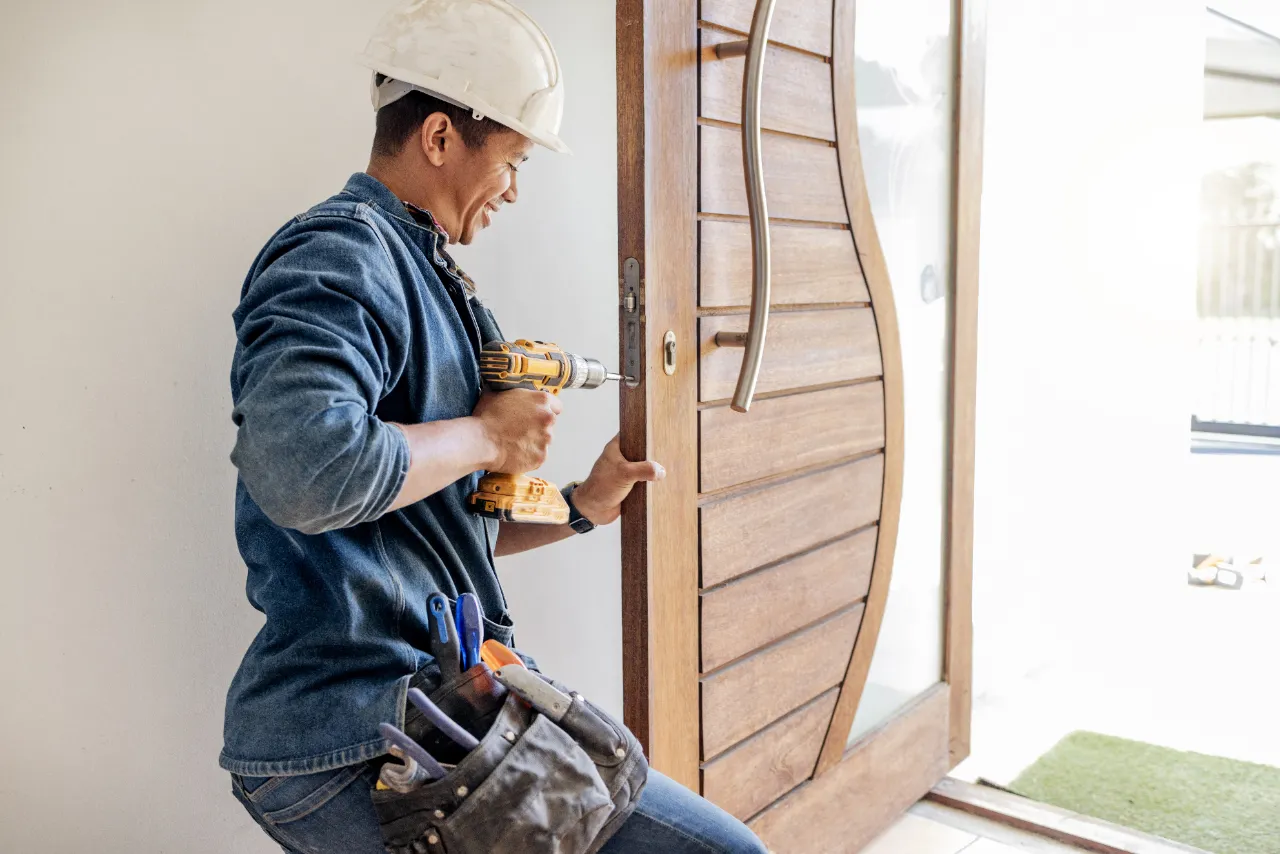
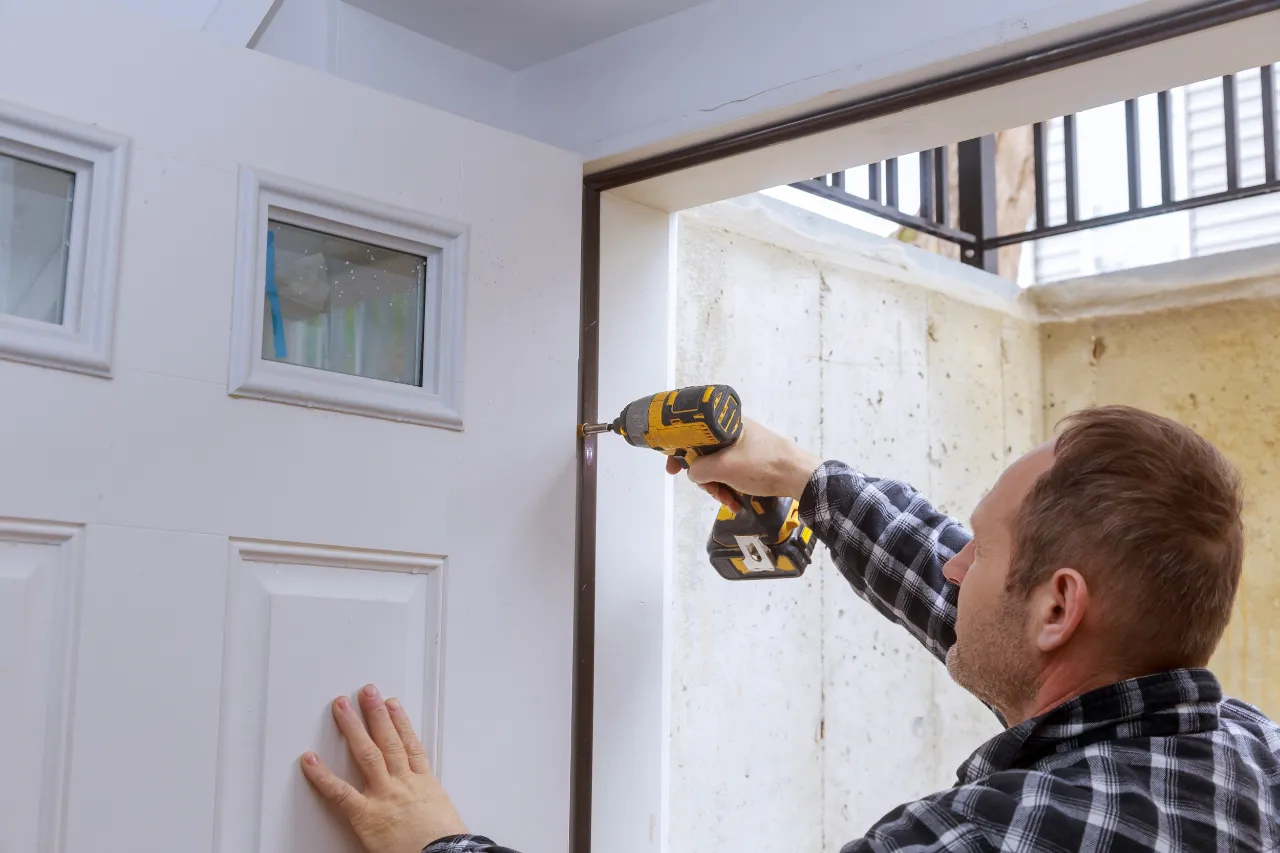
Door installation in Boston follows a specific sequence. Set the new pre-hung unit in the opening. Shim plumb and square. Fasten through the frame into rough opening framing. Check operation. Install trim. Set hardware. Apply weatherstripping. Each step matters for proper operation and seal. Skipping shimming leads to doors that bind or swing on their own from out-of-plumb frames.
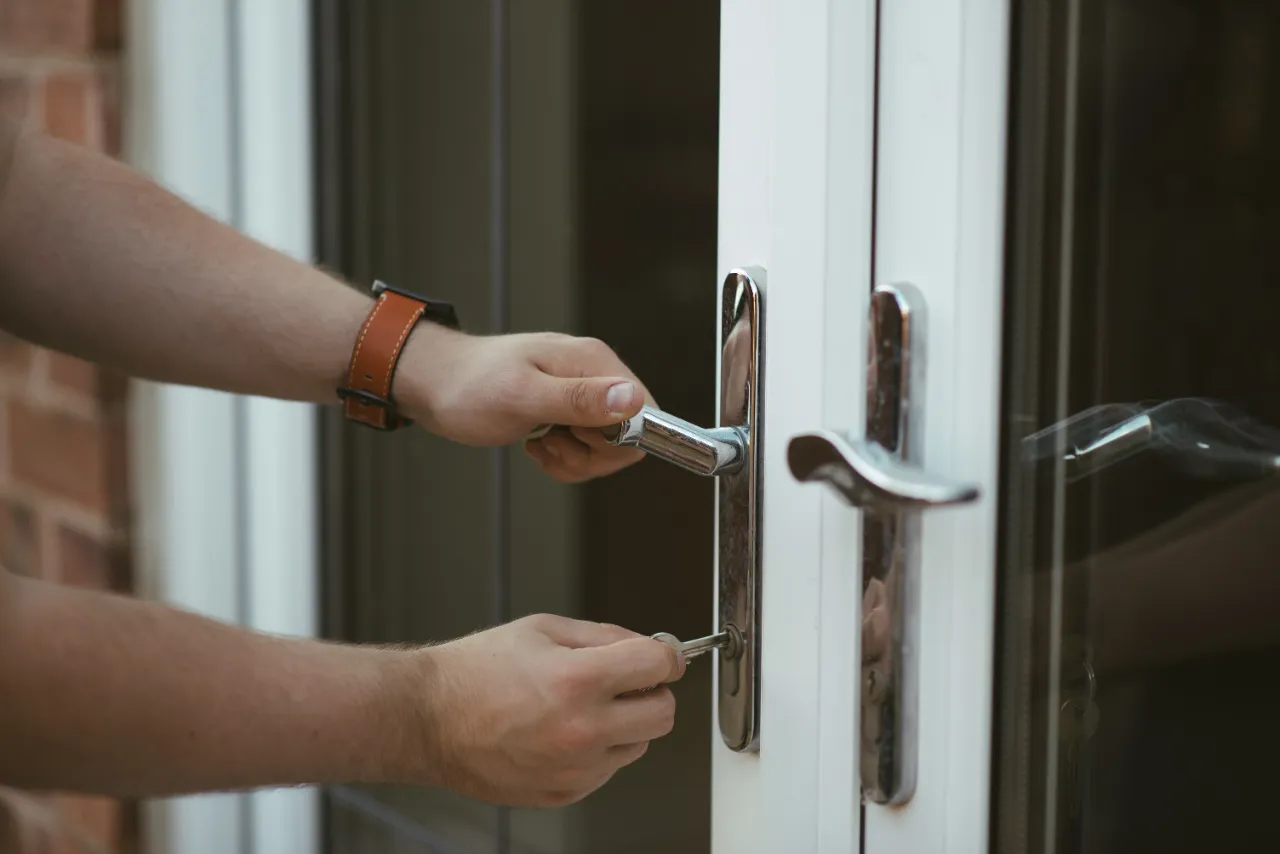
Hardware selection on Boston entry doors considers historic district rules and salt air exposure. Polished brass tarnishes faster in coastal Boston conditions. Oil-rubbed bronze and matte black hold finishes better. Stainless steel works in modern condos. We discuss hardware finish during walkthrough so the selection matches existing fixtures and meets any Commission requirements that apply.
Weatherstripping installation completes the seal on Boston entry doors. Q-Lon or similar compression weatherstripping seals tighter than standard foam strips against winter cold and summer humidity. We install full perimeter weatherstripping plus a quality door sweep on every entry door. Storm doors add a second layer of protection on exposed entries facing coastal winds.
Why Door Replacement Quality Matters in Boston
Boston door replacement quality depends on plumb and square installation. An out-of-plumb door swings on its own and binds against the strike plate. An out-of-square frame creates gaps that wind drives cold through during winter. We shim carefully at hinge and strike sides until the door operates smoothly and weatherstripping compresses uniformly along the full perimeter.
Door product selection in Boston balances climate performance, security, and historic district requirements. Fiberglass entry doors offer high insulation R-value and dimensional stability in coastal humidity. Solid wood doors look traditional but swell in summer and shrink in winter. Steel doors dent and rust. We recommend based on the specific home and exposure conditions.
Bad Boston door replacement fails predictably. Doors bind because frames were not shimmed plumb. Weatherstripping fails because cheap foam strips compressed flat within months. Hardware corrodes because zinc-plated finishes were used in coastal exposure. Trim shows gaps because installation was rushed. We avoid these failures with proper materials and careful installation.