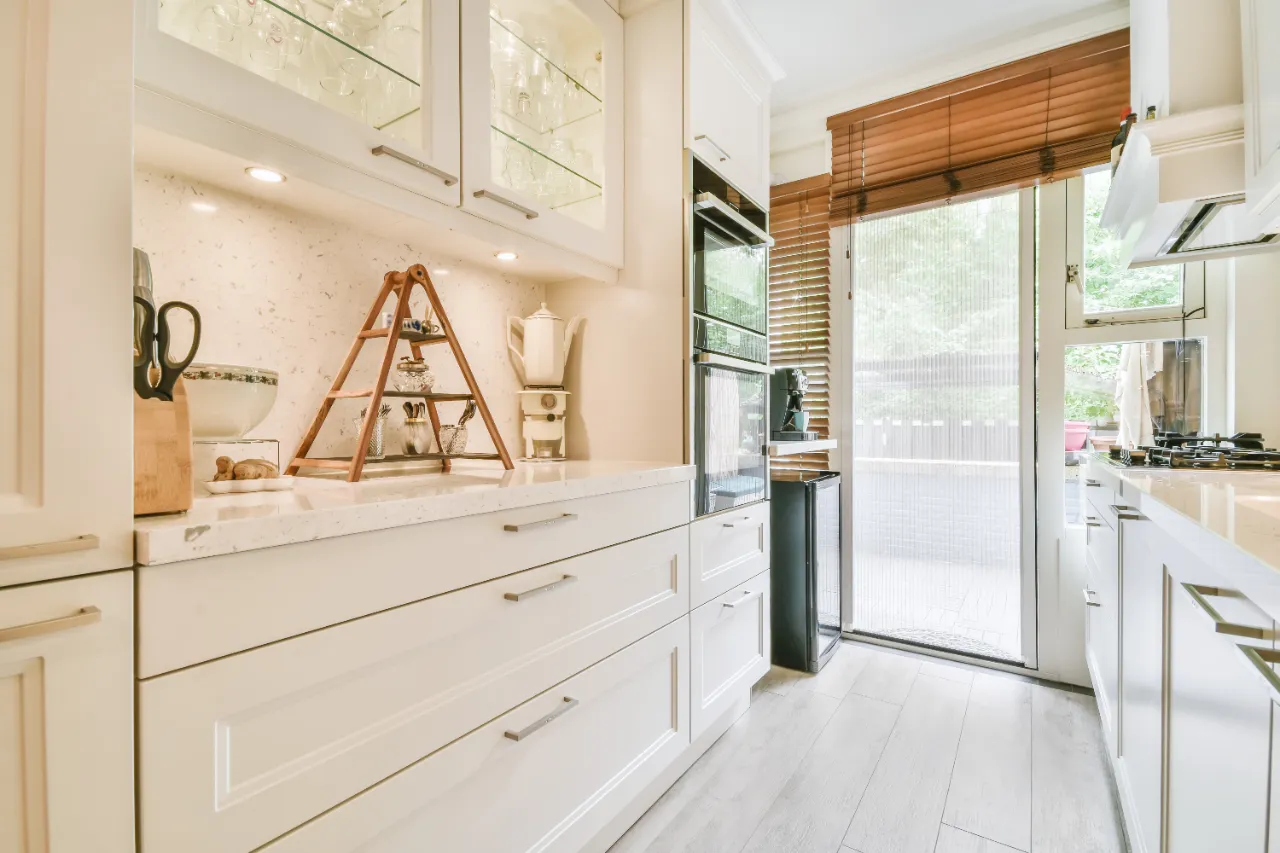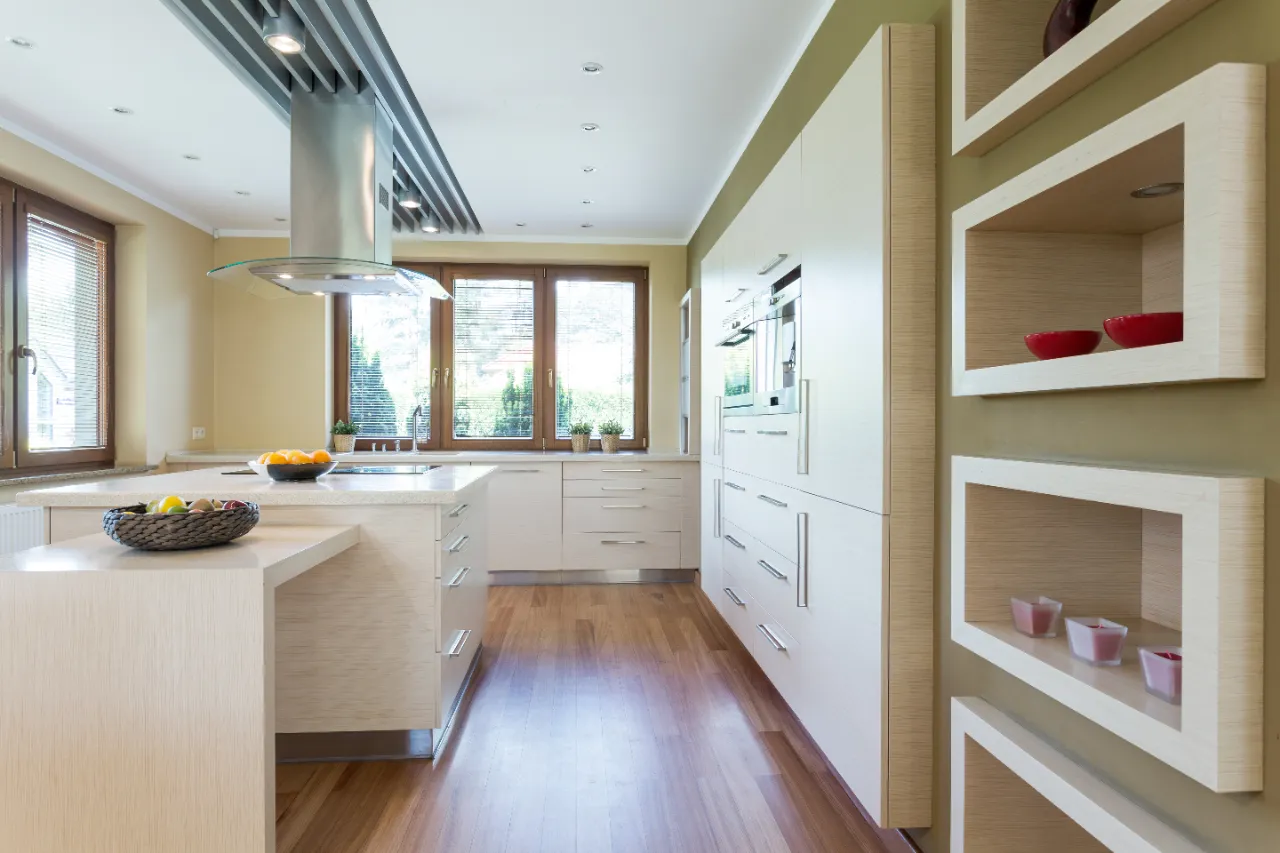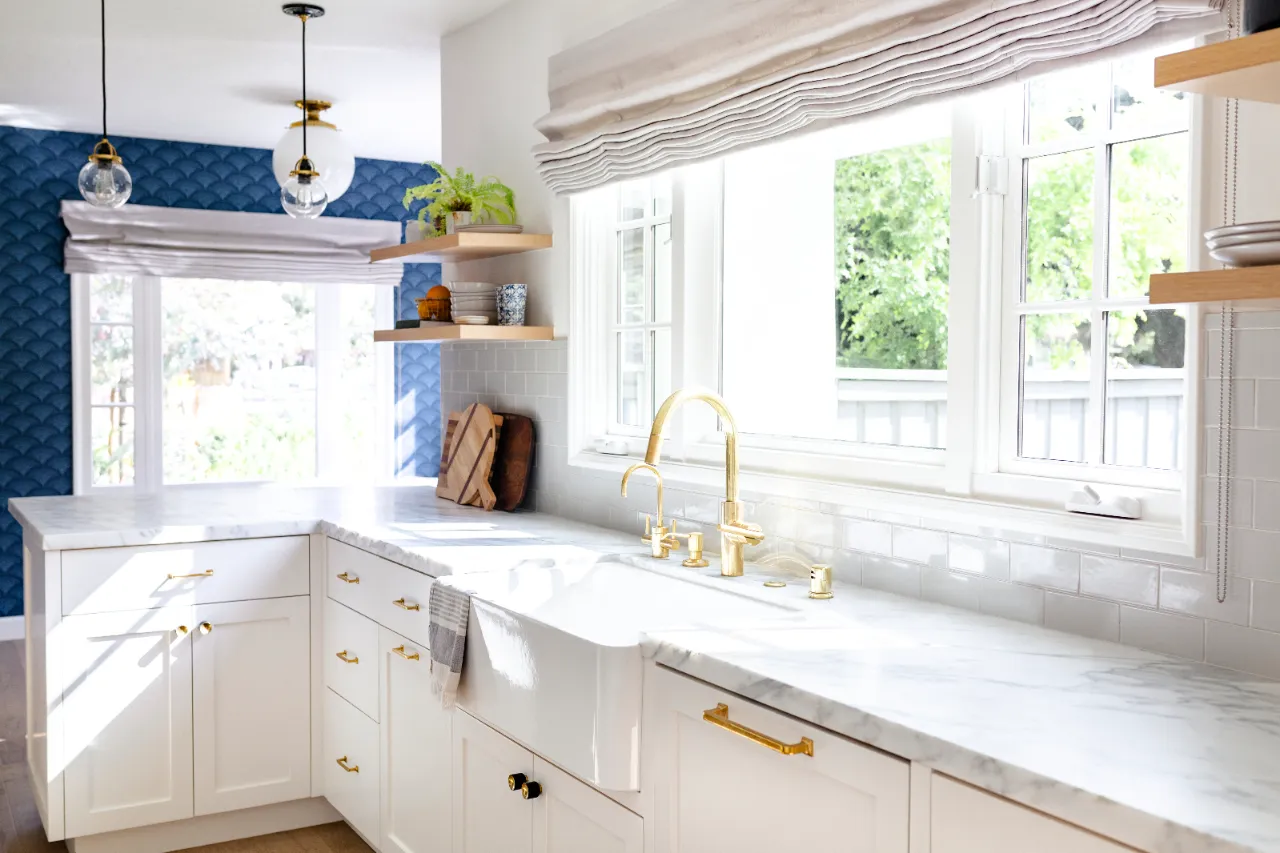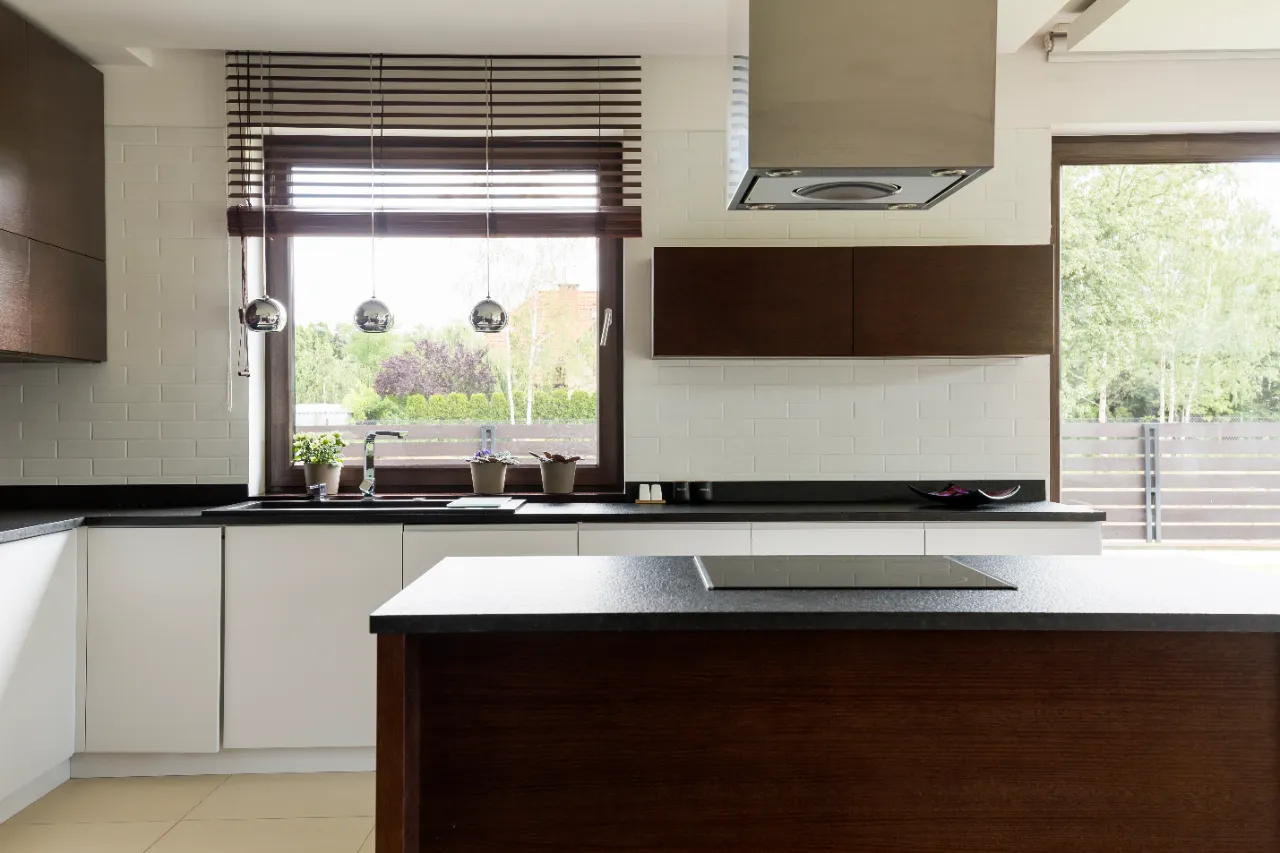
Professional Kitchen Remodeling Services in Worcester, MA
Worcester kitchen remodels run into the same recurring issues in the city's housing stock. Black iron gas lines with corroded threads at fitting connections. Undersized electrical panels with 60 or 100 amp service from before kitchen appliance loads grew. Cast-iron drain stacks at end of service life. Plaster-on-lath wall substrate behind dated tile and laminate. Each issue affects scope and timeline. We identify them during the initial walkthrough so the quote reflects reality.
Worcester Department of Inspectional Services handles kitchen permits for plumbing, gas, and electrical work. Each trade has its own permit pull and inspection scheduling. Plumbing inspections book 1 to 2 weeks ahead in peak season. Gas inspections coordinate with the master plumber. Electrical inspections coordinate with the electrician. We pull all required permits early so inspection scheduling aligns with the construction calendar.
Worcester housing was largely built between 1890 and 1940 during the city's manufacturing era. Triple-deckers fill central neighborhoods. Single-family colonials and Victorian foursquares fill the outer rings. Post-war ranches dominate parts of the West Side. Each era has its own kitchen footprint, electrical capacity, and structural realities. We plan layouts around the existing structure rather than fighting it.
Kitchen Installation in Worcester
New kitchen installation in Worcester triple-deckers handles the vertical plumbing stack that runs through all three apartments. Drain venting, supply lines, and gas risers all serve the building. We coordinate with tenants on other floors during rough-in so water and gas service interruptions stay short and predictable. Worcester triple-decker kitchens stack in the same column floor to floor, which simplifies routing but requires building-wide coordination.
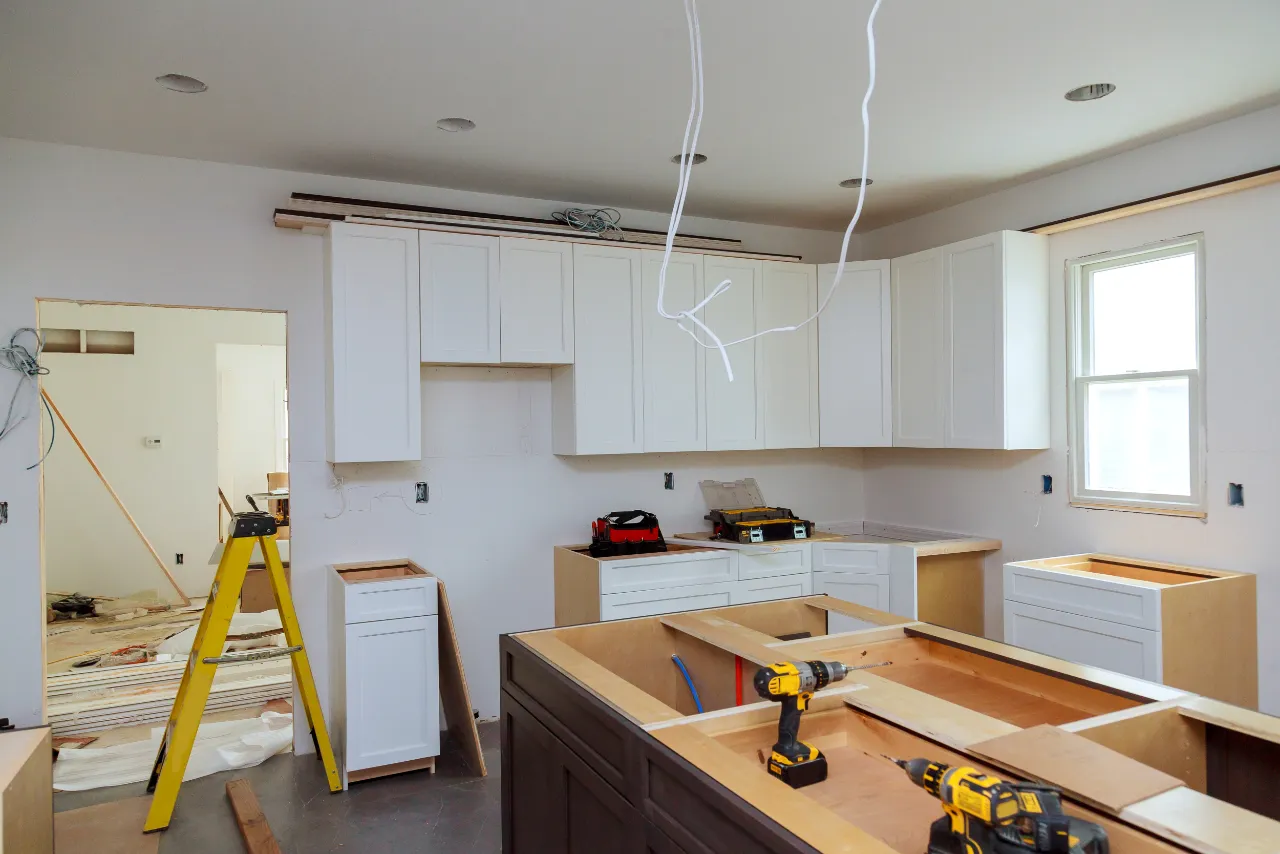
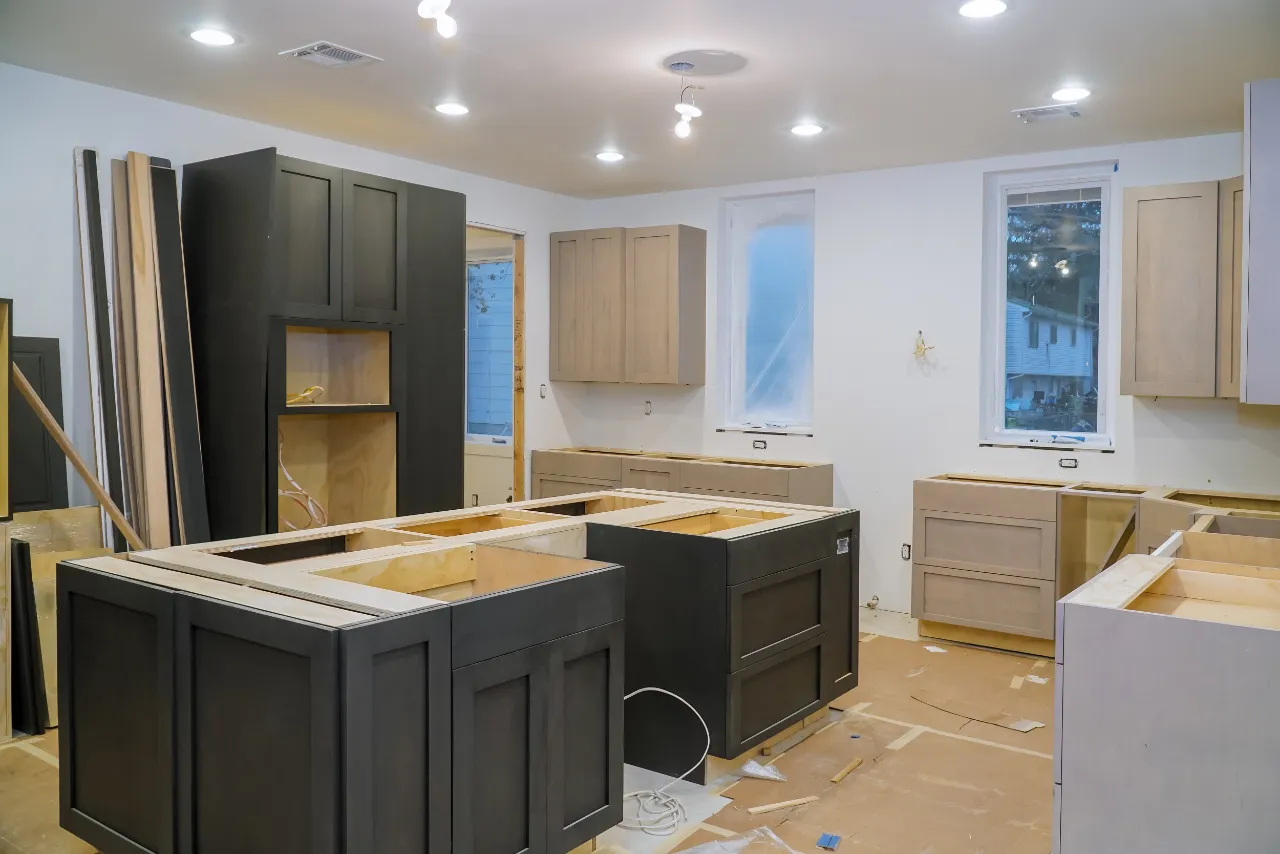
Cabinet installation in older Worcester homes needs significant shimming because original subfloors sag over a century of use. We level base cabinets with composite shims that do not compress under load. Uppers anchor into stud framing located with a stud finder calibrated for the plaster-on-lath construction common in pre-1950 homes. Cabinets sit square even when the floor slopes an inch from one side of the room to the other.
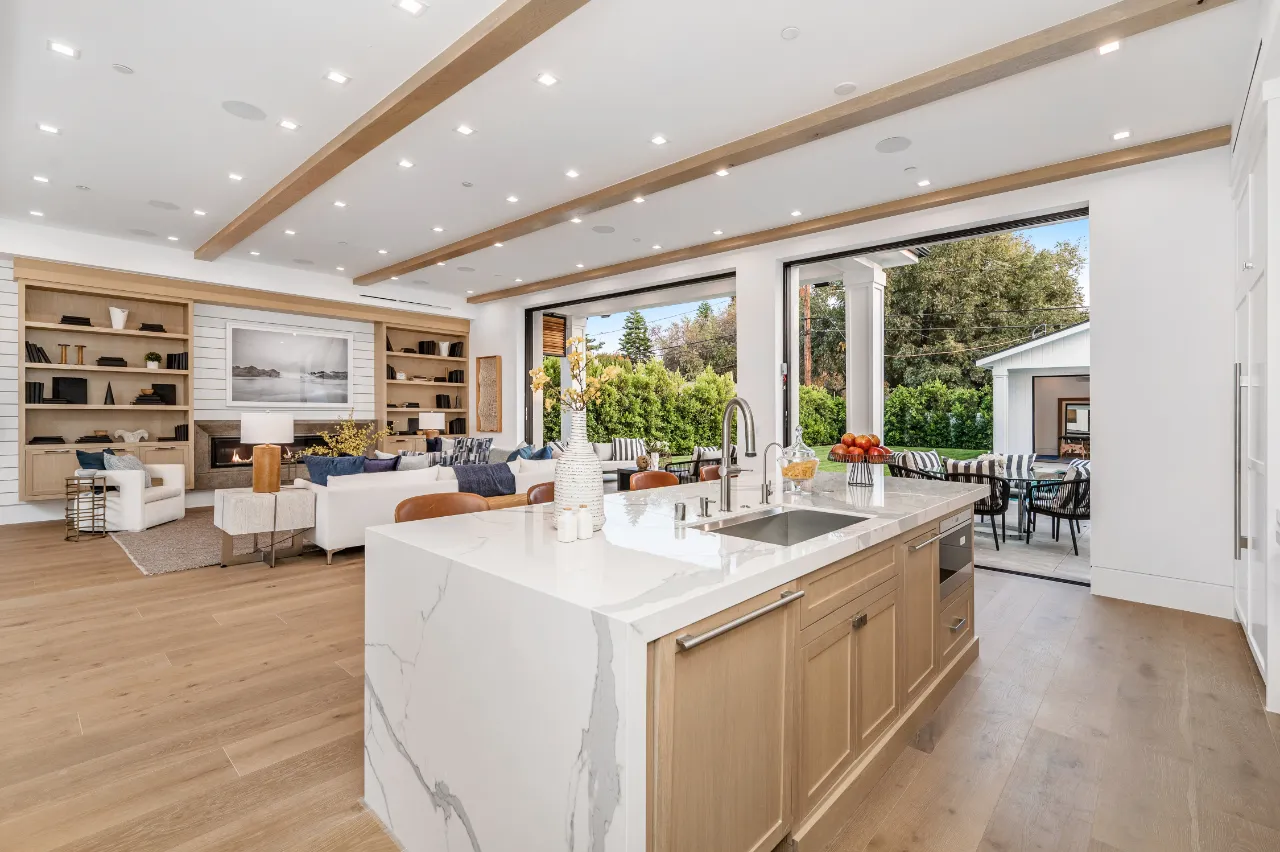
Countertop install in Worcester kitchens follows the standard template-and-fabricate process. Quartz dominates current Worcester remodel selections because of its durability and uniform appearance. Granite remains popular for higher-budget projects. We template after cabinets cure 24 hours and install the new tops 1 to 2 weeks later when the fabricator delivers. Backsplash tile goes up last with proper expansion gaps.
Kitchen Renovation Process in Worcester
Worcester kitchen renovations often involve gas line replacement as part of the scope. Pre-1960 Worcester homes typically have black iron gas lines that have corroded over decades. The corrosion happens at threaded fitting connections where moisture from cooking and dishwashing condenses on the cold metal. We pressure test the gas line during rough-in and replace failed sections with current code piping before reconnecting any cooking appliance.
Electrical panel upgrades come into many Worcester kitchen renovations. Pre-1970 Worcester homes typically have 60 or 100 amp electrical service that cannot support modern kitchen appliances on dedicated circuits. A new range, dishwasher, disposal, microwave, and refrigerator all need their own dedicated circuits per current code. We coordinate panel upgrade with the electrician and inspection scheduling during rough-in.
Kitchen renovations in 1900s Worcester housing reveal piecemeal additions made over decades of ownership changes. We see kitchens with original plumbing from 1900, electrical from 1955, gas line from 1980, and appliances from 2010 all in the same room. The full renovation updates these systems comprehensively to current code rather than continuing the piecemeal pattern that creates ongoing reliability issues.
Why Kitchen Quality Matters in Worcester
Worcester kitchen quality starts with the systems behind the finish. Plumbing, gas, and electrical work right or they do not work at all. Cabinet finish quality matters but cannot compensate for failing systems. We address plumbing, gas, electrical, and ventilation during rough-in before any cabinets or counters go in. The finish phase then proceeds smoothly on a stable infrastructure that meets current code.
Worcester Department of Inspectional Services checks code on every inspection. GFCI outlets within 6 feet of the kitchen sink. Dedicated 20-amp circuits for counter receptacles. Separate circuits for major appliances. Range hood ducted to the outside. Gas line pressure tested and inspected. Anti-tip brackets on freestanding ranges. We design scope to meet code on the first inspection so the project stays on schedule.
Bad Worcester kitchen jobs reveal themselves in the first year. Cabinet doors warp because cheap MDF construction reacted to humidity swings. Countertop seams open because substrate was not properly secured to the cabinet boxes. Range hood ducting that vents into the attic grows mold by the second summer. Outlets fail because wire connections were not properly secured. We avoid these failures with proper materials and installation.