Professional Kitchen Remodeling Services in Boston, MA
Boston kitchen remodels operate under several layers of rules. The Inspectional Services Department permits the plumbing, gas, and electrical work. Condo associations review the scope and approve material selections. Historic district commissions weigh in if exterior venting changes are visible from the street. Each layer has its own paperwork and timing. We map the layers during the first walkthrough so the project timeline reflects reality rather than a rushed best case.
Material delivery into Boston buildings drives a lot of project scheduling. Most condo buildings allow construction deliveries only on weekdays between 8am and 5pm, through service entrances, with lobby and elevator protection installed first. Cabinet deliveries get scheduled weeks in advance. Appliance arrivals coordinate with installation days so the unit does not sit in a hallway. We handle the logistics as part of the project management scope.
Boston brownstone kitchens often sit in original rear ells that were added to the home decades after construction. The framing, plumbing, and electrical reflect the era when each piece was added. We sometimes find gas lines from 1920, electrical from 1960, and plumbing from 1985 all running through the same wall cavity. The full kitchen remodel updates these systems to current code in a coordinated way rather than piecemeal patches.
Kitchen Installation in Boston
New kitchen installation in Boston begins with measuring the actual space and existing constraints. Brownstone kitchens often have 8-foot ceilings, narrow doorways, and floor plans that limit appliance placement. We sketch the layout, present cabinet runs as plan-view drawings, and discuss appliance placement before any orders go out. Counter-depth refrigerators, slim ranges, and appliance-garage cabinets all earn their place in Boston small-kitchen designs.
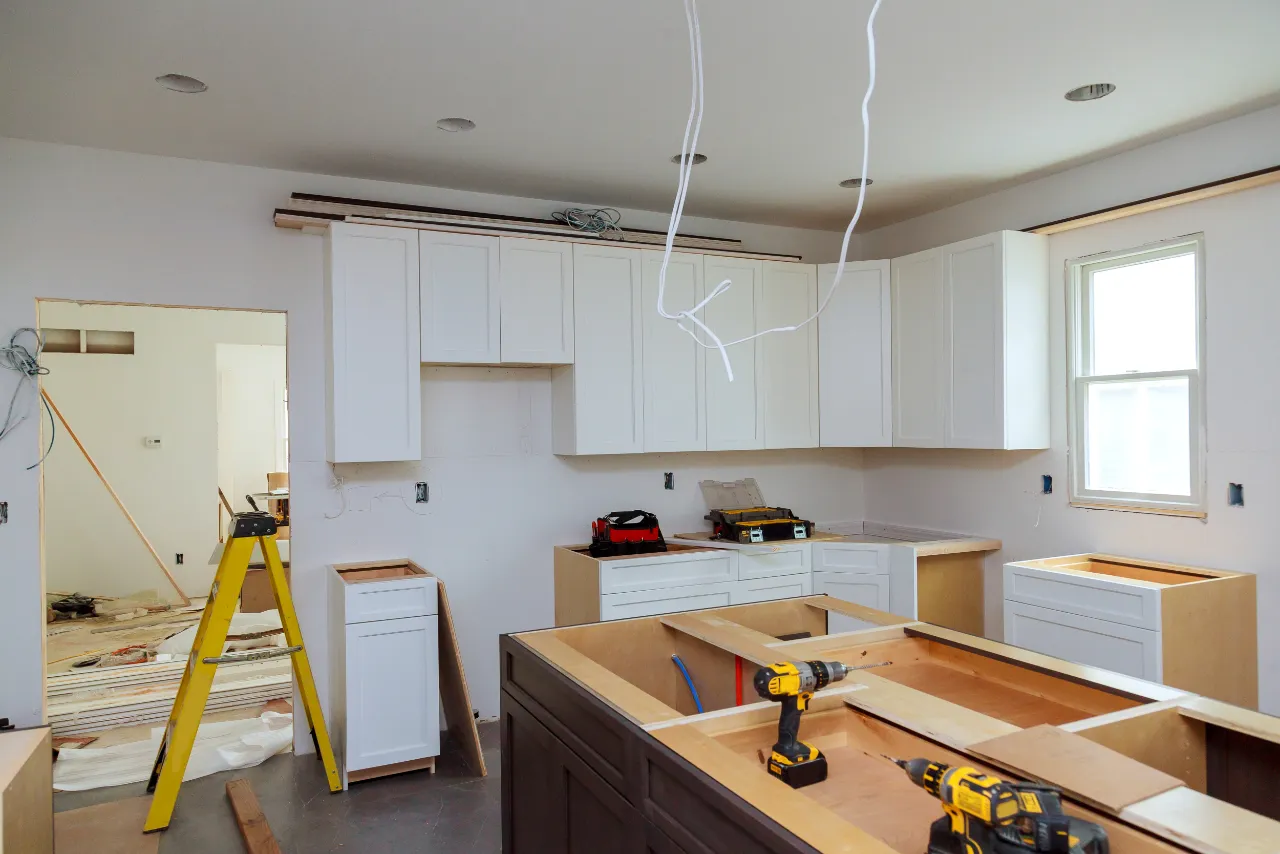
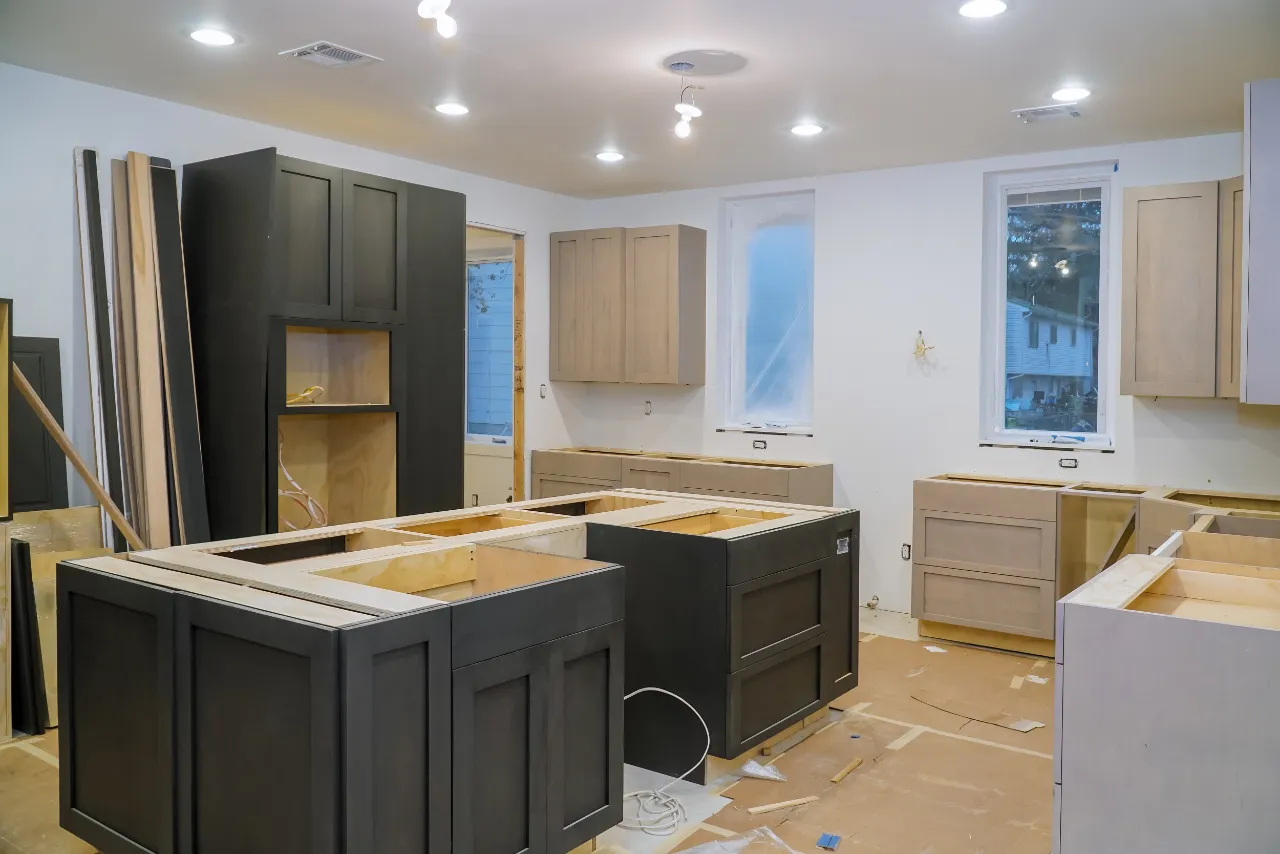
Cabinet installation in Boston condos requires precise leveling because original floors slope and walls go out of plumb. We shim base cabinets off the floor using composite shims that do not compress over time. Uppers anchor into stud framing behind plaster, located with a stud finder calibrated for plaster-on-lath construction. The cabinets sit square even when the building behind them has shifted with decades of settling.
Countertop fabrication for Boston kitchens follows a template-and-deliver process. We template the cabinet tops after cabinets cure 24 hours, send the templates to the fabricator, and schedule delivery 1 to 2 weeks later. Quartz is the most common choice in Boston condos because it handles heat, stains, and acidic foods well. Granite, butcher block, and laminate are all options depending on budget and design direction.
Kitchen Renovation Process in Boston
Boston kitchen renovations frequently start with one failure that reveals systemic issues. A range that loses its gas connection. A dishwasher that backs up because the drain stack failed. A wall outlet that no longer holds power. We open the failure point during early demo to assess what is behind the immediate symptom. Most older Boston kitchens reveal multiple system issues at the same time during this inspection phase.
Boston condo associations sometimes require approval on appliance brand, range fuel type, range hood ducting routes, and cabinet door colors. The association rulebook lists what is allowed. We help prepare the submission package with material samples, drawings, contractor information, and the work schedule. Most boards review within 2 to 4 weeks, so we build that timeline into project scheduling from contract signing.
Historic district homes in Boston require review for exterior venting changes. Range hood ducting that previously vented into a chimney needs to terminate at the exterior wall under current code, which can trigger Landmarks Commission review if the new exterior vent is visible from a public way. We pre-research the rules during planning and identify alternative venting routes when external review would delay the project significantly.
Why Kitchen Quality Matters in Boston
Boston kitchen quality depends on doing the rough-in work right in spaces that have settled for over a century. Plumbing supply lines have to clear cabinet locations and connect to fixtures within tight tolerances. Gas lines have to meet current code with proper shutoffs and pressure testing. Electrical has to provide dedicated circuits for high-load appliances. We address each system during rough-in so the finish phase goes smoothly.
Boston ISD inspections check the same code points statewide plus some local additions. GFCI outlets within six feet of any water source. Dedicated 20-amp circuits for kitchen counter receptacles. Separate circuits for dishwasher, disposal, and refrigerator. Range hood vented outside the building envelope. We meet code on the first inspection by planning the scope to current standards from contract signing through finish.
Cheap Boston kitchen jobs reveal themselves in the first year. Cabinet doors twist as the building moves through its first seasonal cycle. Countertop seams open up because the substrate was not properly secured. Range hood vents into the attic instead of outside, growing mold. Outlets fail because the wiring was not properly grounded. We avoid these failures by doing the boring work right the first time.