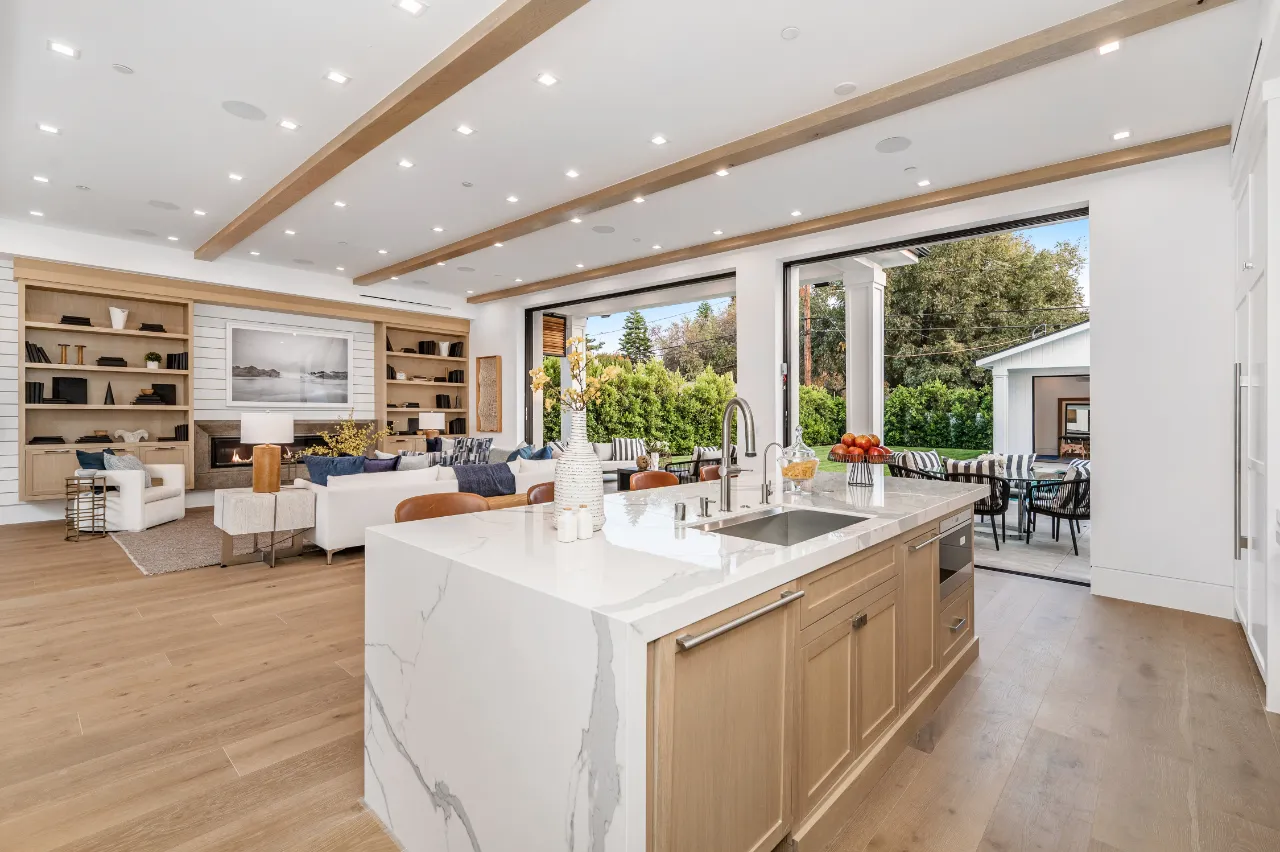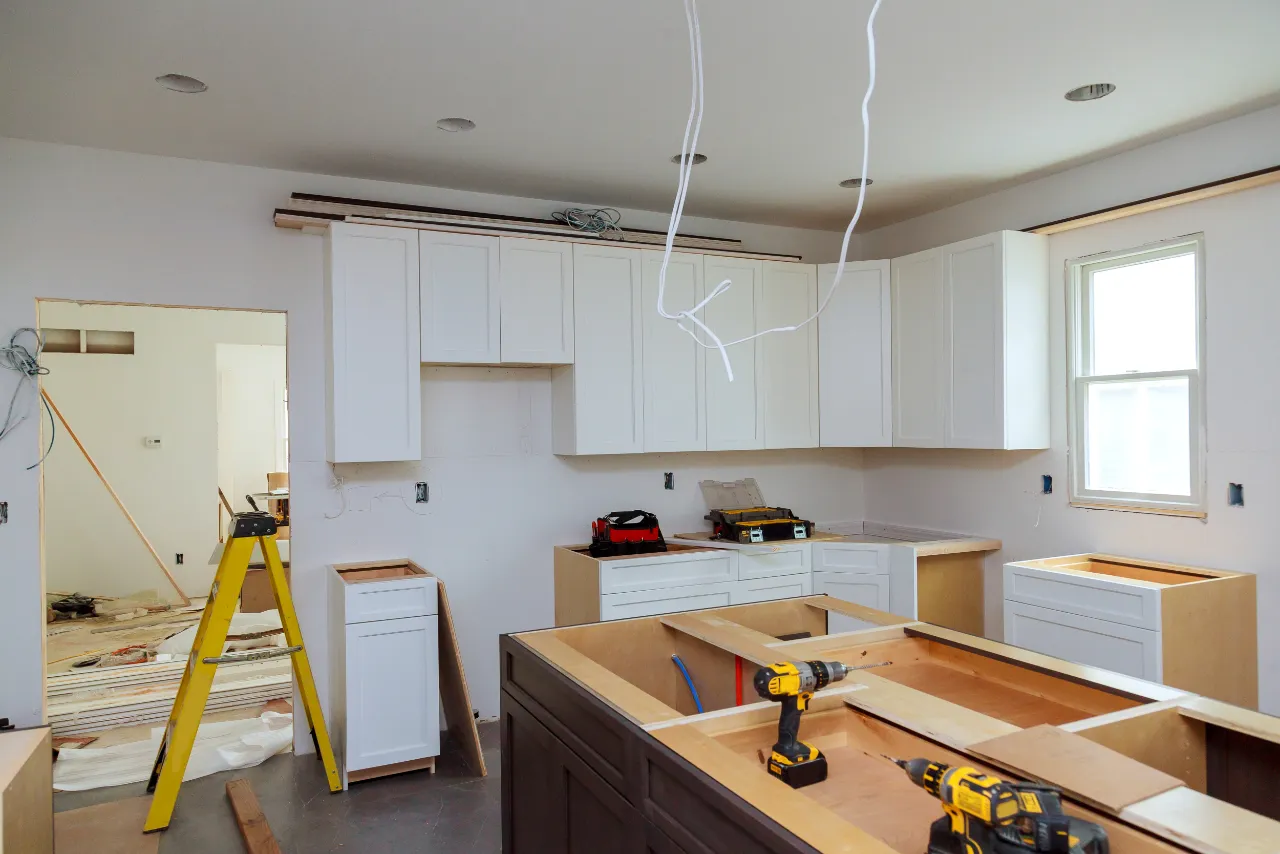
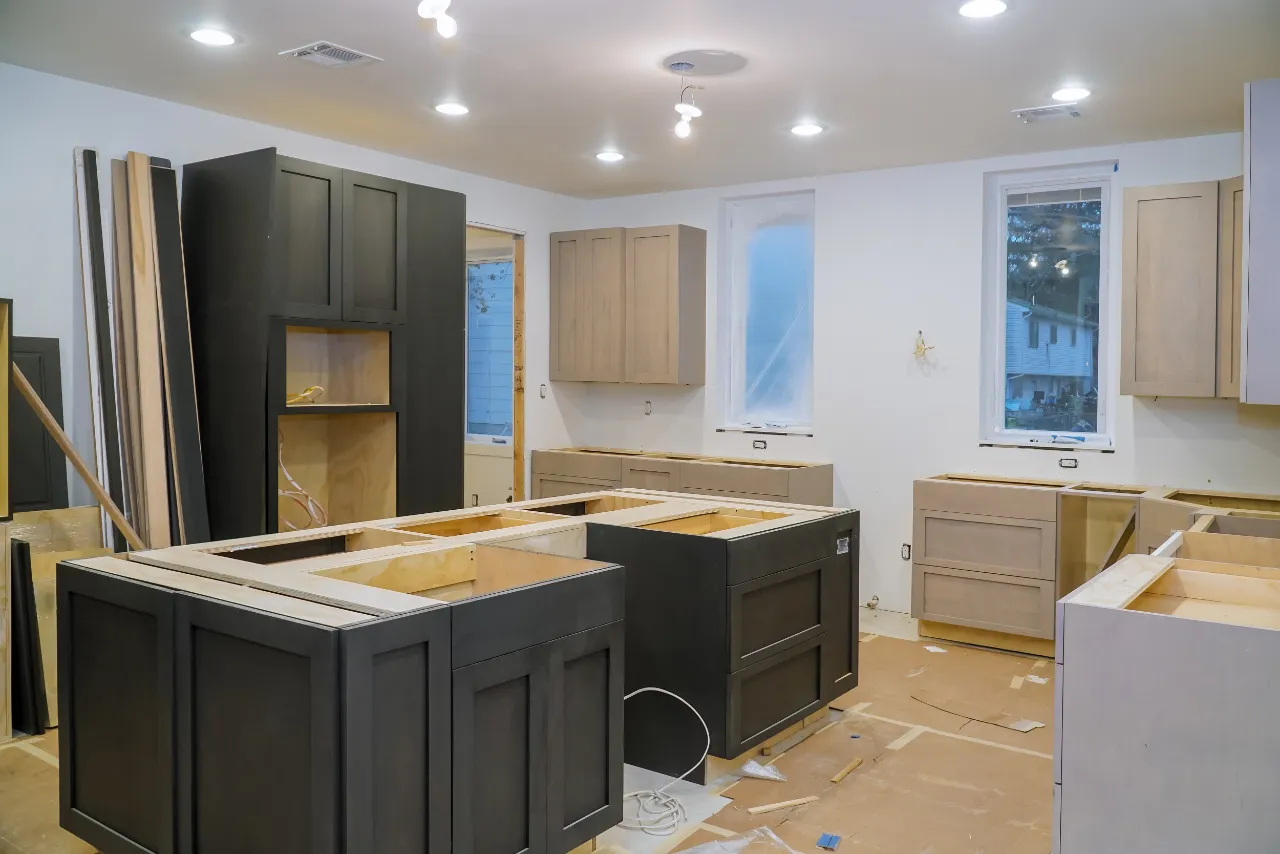
Professional Kitchen Remodeling Services in Springfield, MA
Springfield kitchen remodels span a wide range of housing eras and infrastructure conditions. Some homes date to 1900s Victorian construction with original gas lighting infrastructure repurposed for cooking gas. Others sit in post-war ranch developments with modern circuits. Recent rebuilds in the Maple-High and South End areas replaced tornado-damaged homes with modern construction in every system. We identify the era and condition during walkthrough so scope matches what is behind the walls.
Springfield Building Department handles kitchen permits for plumbing, gas, and electrical work. Gas line modifications coordinate with Eversource for service inspections when the gas service capacity needs changes for new appliances. Building, plumbing, and electrical inspections happen at rough-in and final. We pull permits early and coordinate the inspection sequence with the construction calendar to keep the project moving.
Connecticut River valley climate affects Springfield kitchens year-round. Winter dryness drops indoor humidity to 20 percent. Summer humidity reaches 70 percent on warm days. The 50 percent swing stresses cabinet joints, countertop substrates, and tile expansion gaps. We use materials rated for the local humidity range and install with appropriate expansion accommodation so the finished kitchen holds up through seasonal cycles.
Kitchen Installation in Springfield
New kitchen installation in Springfield Victorians works with the rear-addition layouts common in 1890s-1910s homes. The kitchen typically sits in a single-story rear extension with its own foundation and roof. These additions sometimes settle differently than the main house, which means floor slopes and wall plumb issues at the junction. We shim cabinets to accommodate the structural realities.
Cabinet installation in Springfield homes requires careful planning around the existing electrical capacity. Many 1900s Springfield homes have outdated electrical panels that cannot support modern appliances on dedicated circuits. We assess the panel during the walkthrough and include an upgrade in the scope when needed. Cabinet installation proceeds on the assumption that proper dedicated circuits will be in place for each appliance.
Countertop install in Springfield kitchens follows standard template-and-fabricate process. Quartz, granite, and butcher block are all common selections. We template after cabinets cure 24 hours and install 1 to 2 weeks later when the fabricator delivers. Plumbing connections to the new sink and faucet happen after the counters set. Backsplash tile completes the install with proper expansion gap accommodation.
Kitchen Renovation Process in Springfield
Springfield kitchen renovations in Victorian rear-addition kitchens often reveal multiple system issues at once. Original gas lighting infrastructure repurposed for cooking gas. Knob-and-tube wiring that does not meet current code. Cast-iron drain stacks at end of service life. Plaster walls with original lath substrate. We document each finding during early demo so the homeowner approves the scope expansion before we proceed with the systems updates.
Tornado-rebuilt Springfield kitchens in Maple-High and South End have modern systems from the 2011-2012 rebuild period. Electrical service meets current code. Plumbing uses modern materials. Gas lines are recent installations. Kitchen renovations in these homes focus on finish updates rather than infrastructure repair. The work goes faster and the timeline stays more predictable than in older Springfield housing.
Kitchen renovations in Springfield post-war ranches typically involve removing the wall between kitchen and dining room to create open-concept layouts. The wall structural condition needs assessment before demo because load-bearing walls require beam installation overhead. We work with structural engineers when needed to size the beam and design the support system before any wall removal begins.
Why Kitchen Quality Matters in Springfield
Springfield kitchen quality starts with addressing the Connecticut River valley climate correctly. Cabinet construction has to handle 50 percent humidity swings without joint failure. Countertop substrates need expansion accommodation. Tile work needs control joints. Caulk needs commercial-grade rating. We specify each component for the local conditions rather than using generic specs that may work in milder climates.
Springfield Building Department inspections check code requirements at rough-in and final. GFCI outlets in kitchen receptacles. Dedicated circuits for major appliances. Gas line pressure testing. Range hood ducting outside the building envelope. Anti-tip brackets on freestanding ranges. We meet code on the first inspection so the project stays on schedule through closeout without re-inspection delays.
Bad Springfield kitchen jobs show their problems in the second winter. Cabinet doors warp as humidity drops to 20 percent. Countertop seams open where caulk shrunk. Tile grout cracks at corners where no control joints were scored. Range hood mold appears because exhaust was vented into the attic. We avoid these failures with proper material selection and installation techniques rated for the local climate.