Professional Drop Ceiling Installation Services in Fall River, MA
Fall River drop ceiling installation projects work in triple-decker basements, mill housing basements, post-war ranch basements, and commercial spaces. Each property type requires specific approach to grid layout, tile selection, and clearance considerations. We assess clearance, existing utilities, and Mount Hope Bay coastal exposure during walkthrough each project we complete.
Fall River drop ceiling installation needs no permits for standard residential basements. Commercial installations in offices, retail, and other commercial spaces may need permits depending on fire-rating, sprinkler integration, and occupancy classification. We confirm permit requirements with the Fall River inspectional services department before any commercial project work begins.
Fall River climate puts demands on basement drop ceilings. Mount Hope Bay coastal humidity stays elevated in summer. Winter heating dries indoor air dramatically. Seasonal swings stress tile dimensions and grid alignment year after year. We select tile materials and grid components rated for these coastal-influenced conditions on every Fall River project we complete in the city.
Grid Layout and Planning in Fall River
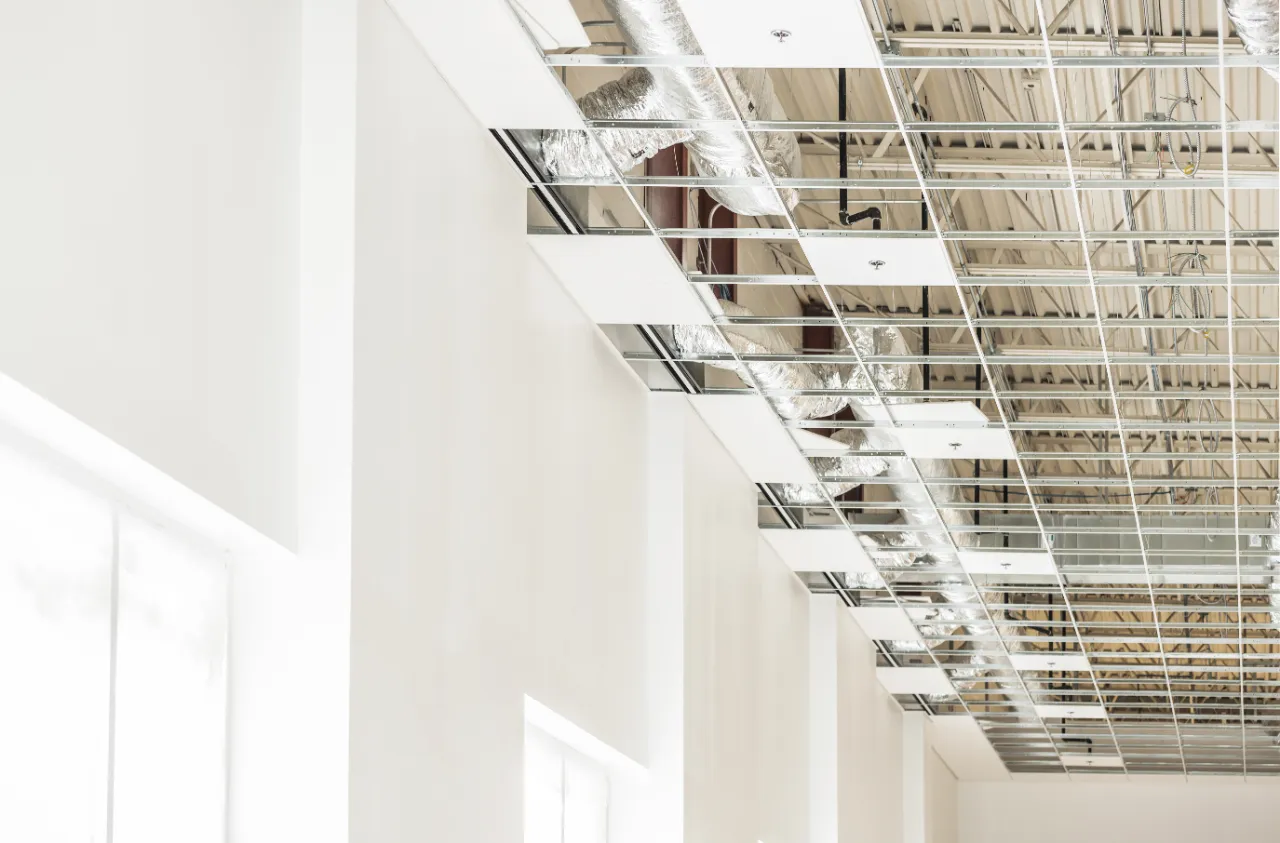
Drop ceiling layout in Fall River starts with measuring the room and centering the grid. A centered grid means border tiles on opposite walls are equal width. Off-center grids look unprofessional and read as builder-grade work. We snap chalk lines at the layout grid position and mark hanger wire locations on existing overhead joists or concrete structure.
Grid layout in Fall River triple-decker basements addresses uneven walls common in 120-year-old stone or block foundations. Mill housing basements have similar conditions and tighter clearances. Walls vary by inches along single runs. We measure multiple points and design layout to look square visually even when walls are not perfectly square during installation.
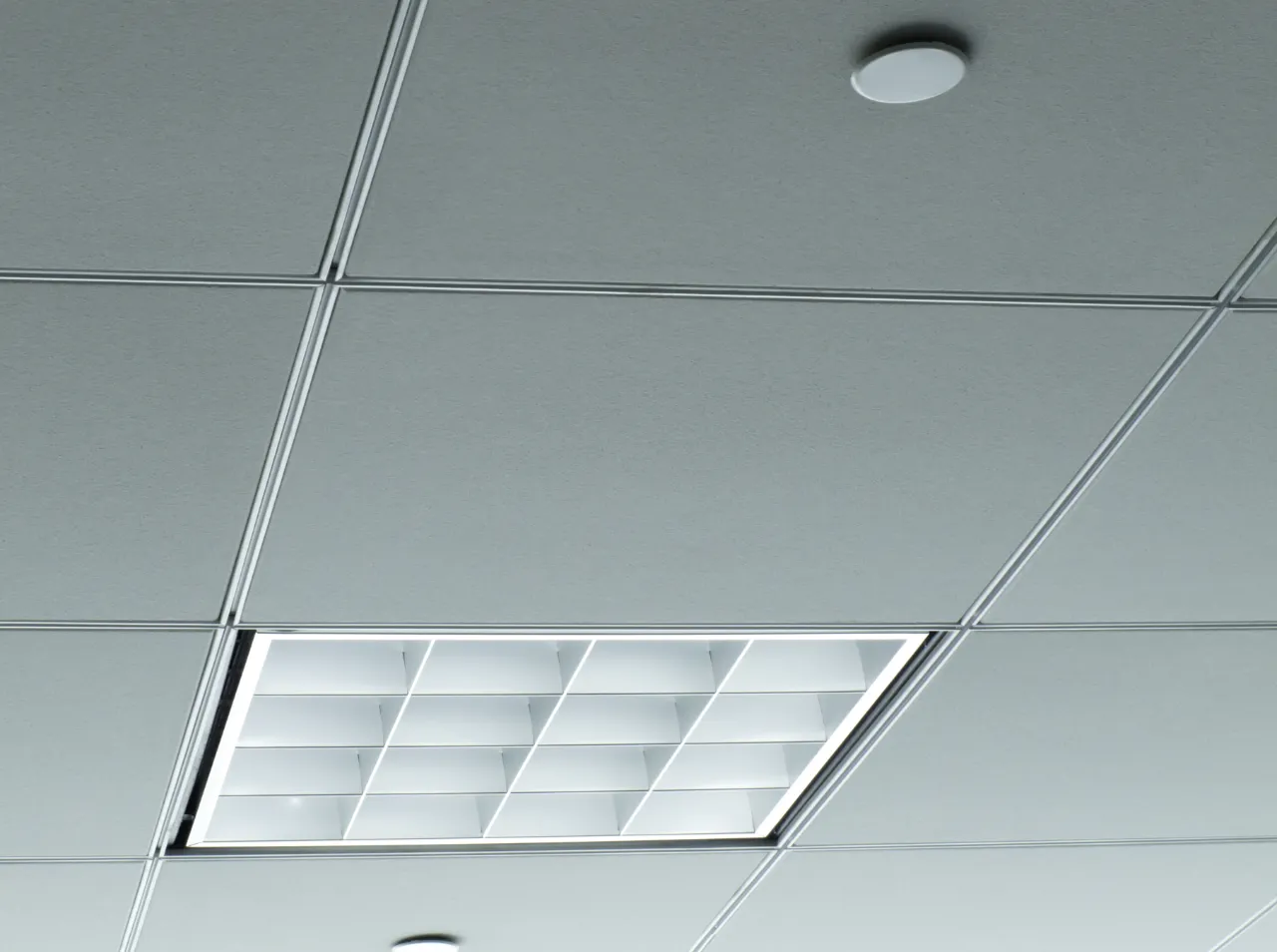
Lighting integration during Fall River layout planning matters more than most homeowners realize. We coordinate lighting fixture locations with grid spacing so 2x2 or 2x4 panels fit cleanly into the grid. Recessed cans get planned for tile centers. HVAC vents integrate at grid intersections rather than cutting into tile faces awkwardly during installation work each project.
Tile Installation and Grid Suspension in Fall River
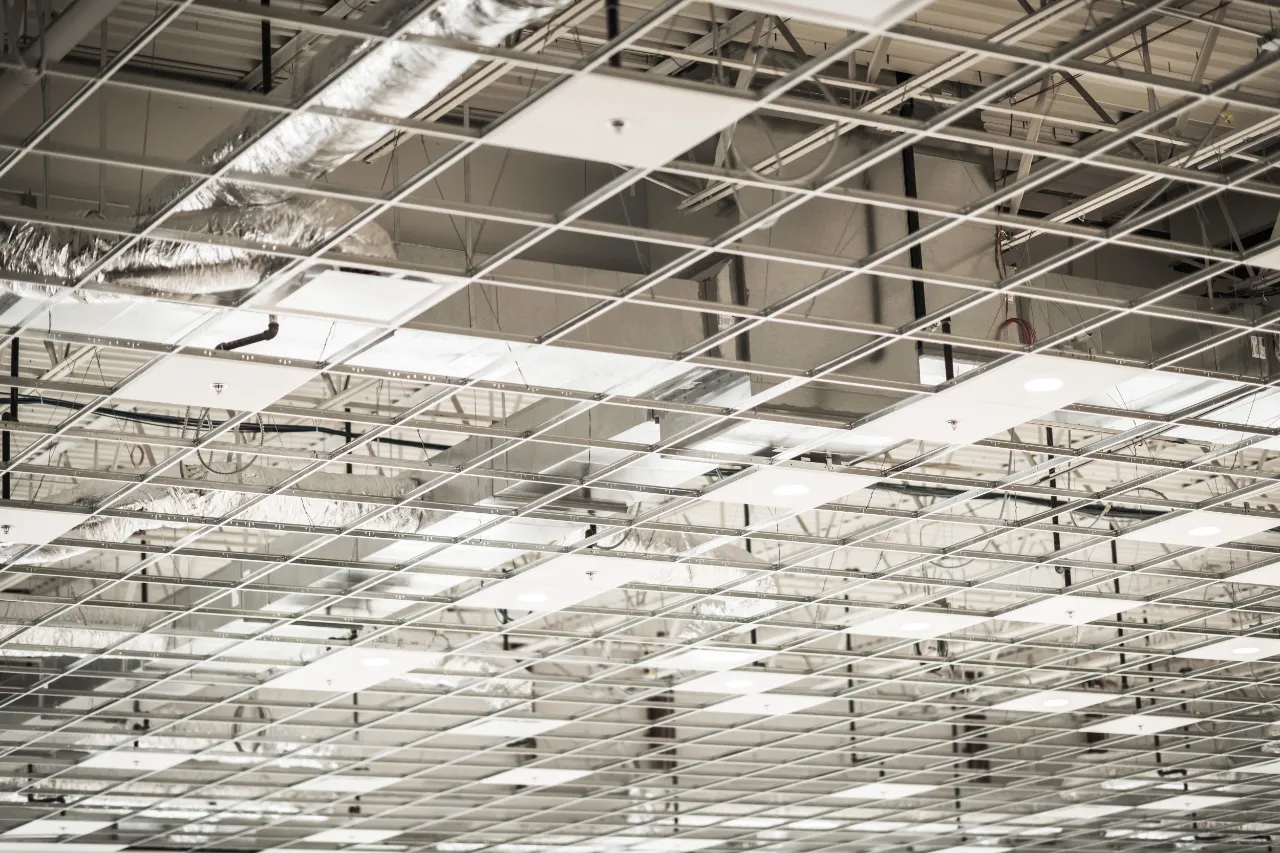
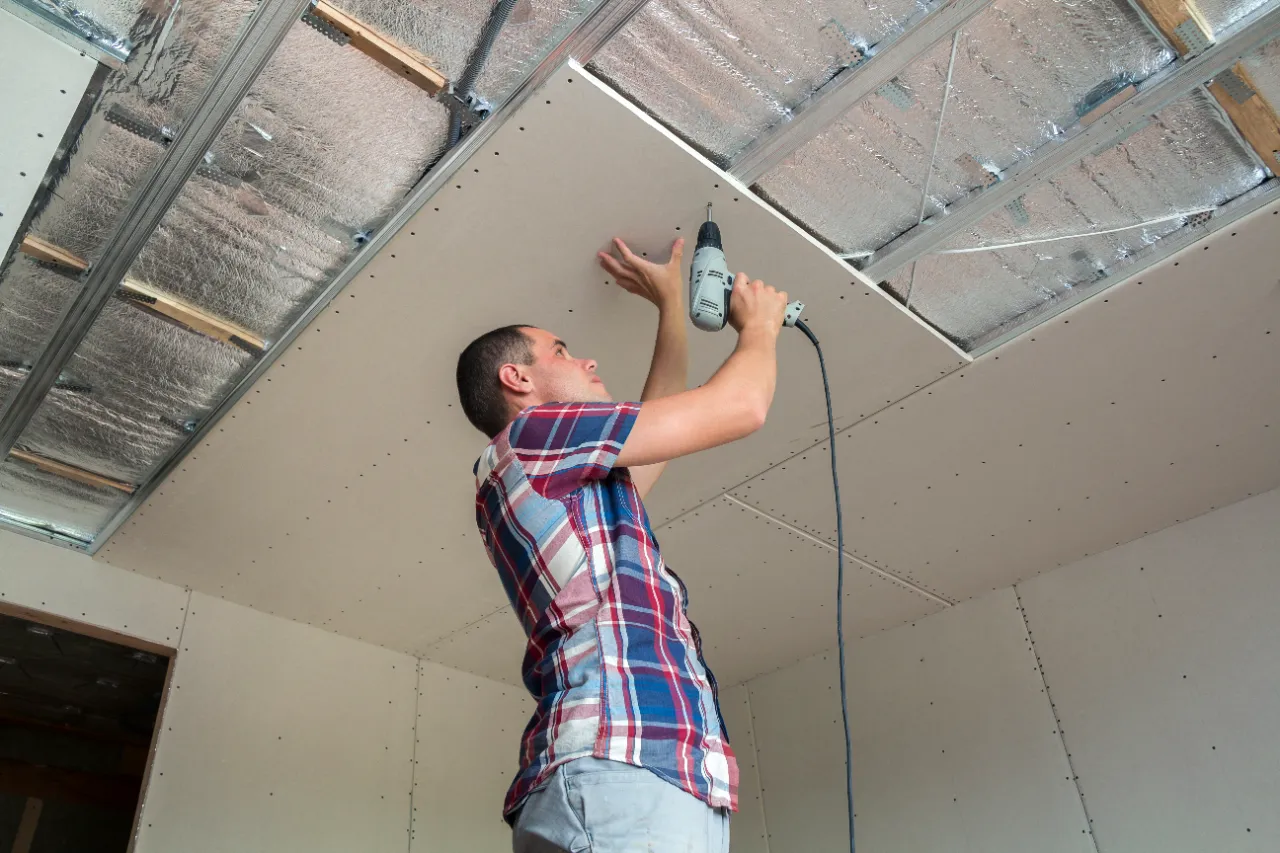
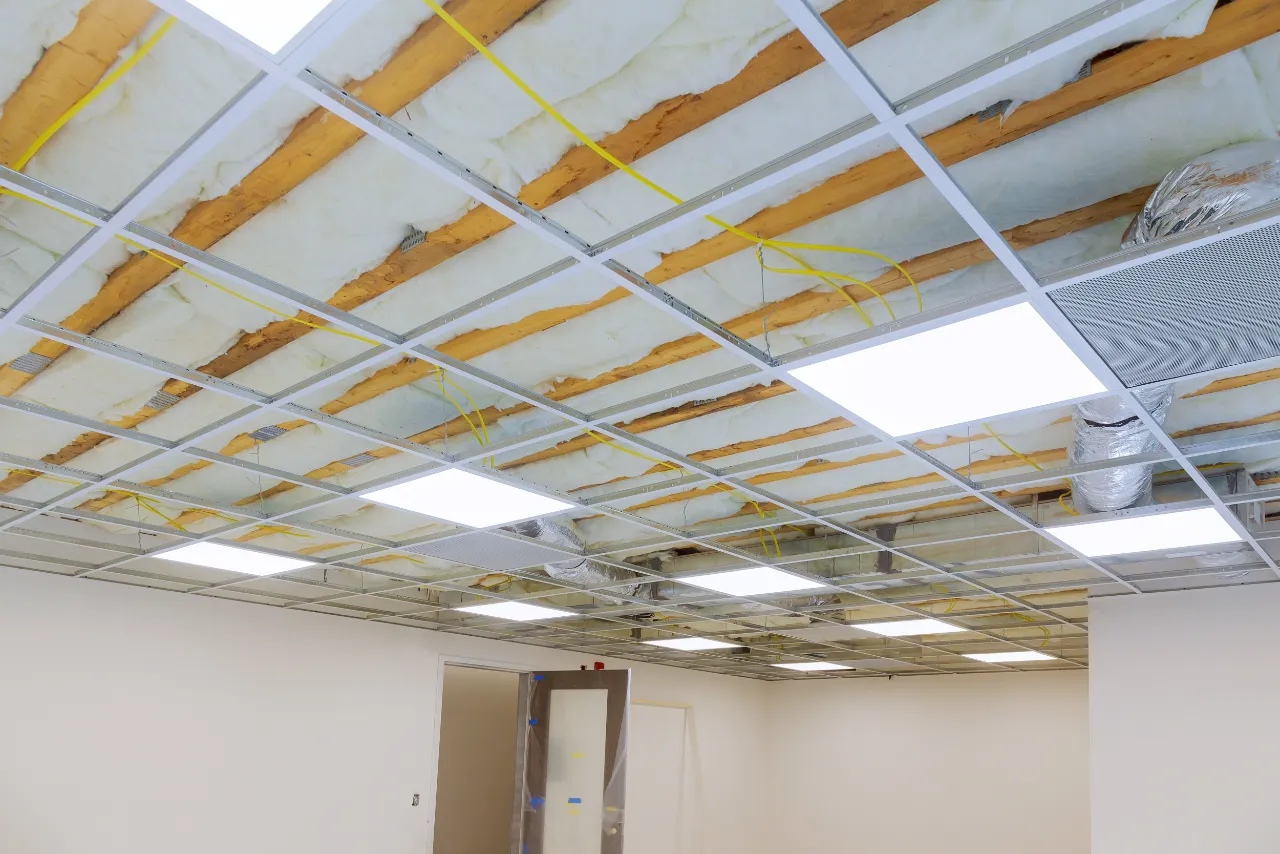
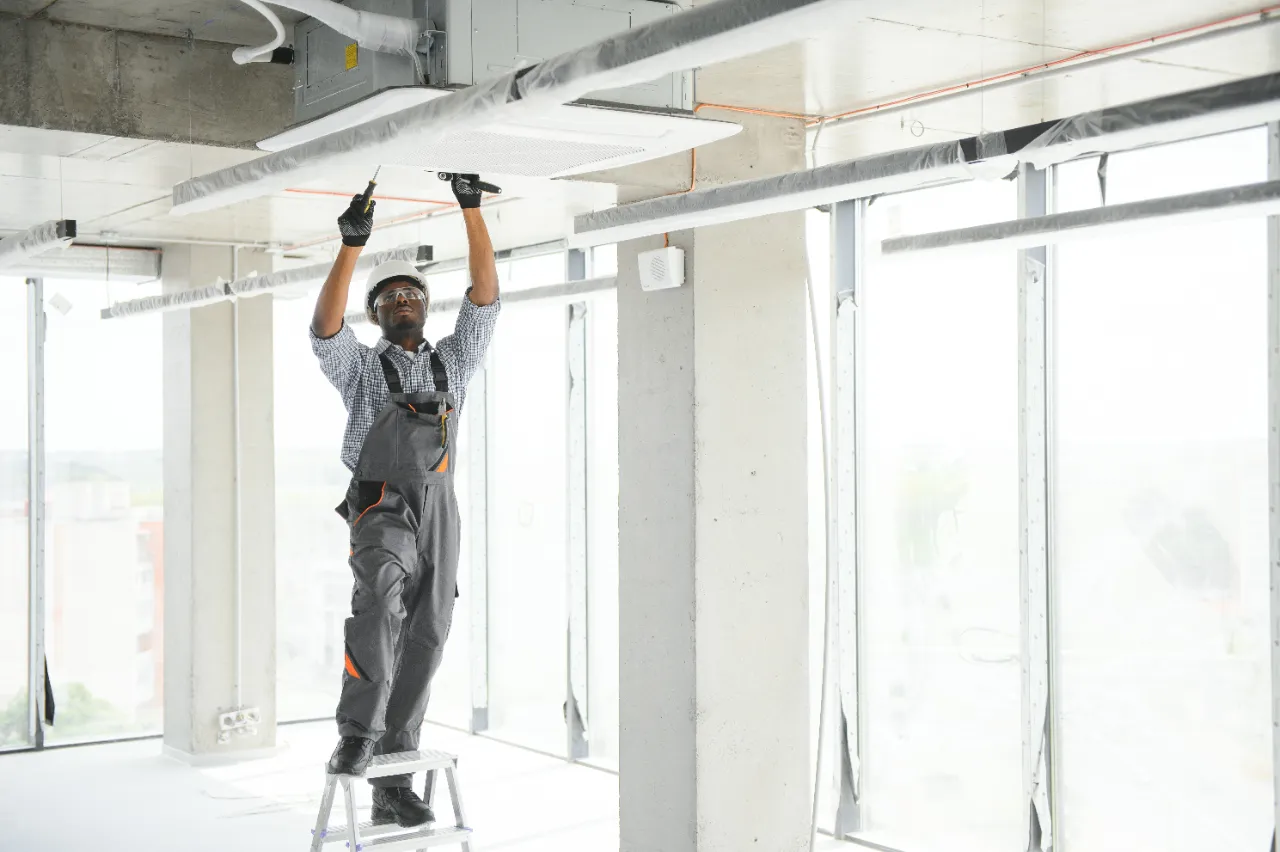
Drop ceiling installation in Fall River follows the standard sequence with attention to coastal-influenced humidity. Install wall angle perimeter at the ceiling height line. Hang main runners from hanger wires anchored to joists or concrete overhead. Set cross tees at proper grid spacing. Drop tiles into the completed grid. Cut border tiles precisely.
Tile selection in Fall River basements favors moisture-resistant products. Armstrong HumiGuard Plus and similar moisture-rated tiles resist sagging in Mount Hope Bay coastal-influenced basement humidity. Standard mineral fiber tiles work in dry basements with proper dehumidification setup. Commercial spaces may need fire-rated, washable, or acoustic tiles depending on use.
Grid components matter for long-term Fall River performance. Galvanized steel grids resist corrosion in coastal-influenced humidity better than painted steel. Aluminum grids resist salt air best on coastal-exposed installations within a mile of Mount Hope Bay. Hanger wire suspension at 4-foot spacing supports tile weight properly. Marine-grade hardware lasts longer in coastal exposure.
Why Drop Ceiling Installation Quality Matters in Fall River
Fall River drop ceiling installation quality shows in grid alignment and proper material selection for coastal-influenced conditions. Centered grids with equal border tiles read as professional. Marine-grade hardware on coastal-exposed homes prevents premature corrosion. We layout and select materials carefully so the final result looks square, centered, and lasts in Mount Hope Bay basement conditions.
Tile selection quality matters as much as installation quality in Fall River. Moisture-resistant tiles in coastal-influenced basement humidity prevent sagging. Mill housing tight clearances may suggest direct-mount alternatives. We select tiles and grid systems appropriate for the specific basement conditions and clearance rather than defaulting to standard products that fail predictably.
Bad Fall River drop ceiling installation fails predictably in coastal-influenced ways. Tiles sag because moisture-resistant products were not specified for basement use. Grids rust because standard steel was used in coastal humidity. Borders look uneven because layout was not centered. We avoid these failures with appropriate materials and careful layout planning before installation.